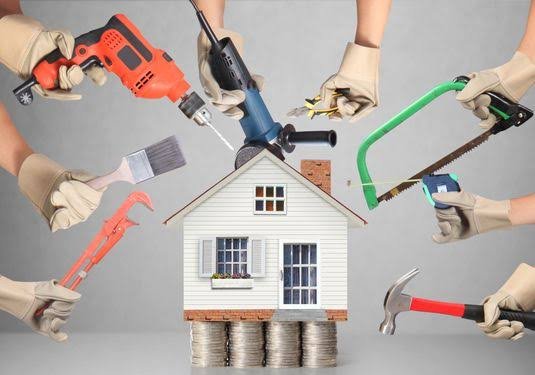
Renovation dreams have a funny way of outpacing bank balances. You want that kitchen redone, maybe a new bathroom, and suddenly the number staring back at you is a lot bigger than what’s sitting in your savings account.
That’s exactly where a home improvement loan comes in. It’s not the only option, but for a lot of homeowners in 2026, it’s genuinely the most practical way to bridge that gap without draining every rupee of savings.
What Exactly Is a Home Improvement Loan?
Quick answer: A home improvement loan is an unsecured or secured personal loan specifically meant for renovation, repair, or upgrade work on your home, typically offering faster approval than a home loan top-up but at a somewhat higher interest rate.
1. Types of Home Improvement Loans Available
- Unsecured personal loans marketed specifically for renovation
- Home loan top-up, if you already have an existing home loan
- Loan against property, for larger renovation budgets
- Credit card EMI options, for smaller, quick fixes
2. Interest Rates You Can Expect in 2026
Unsecured home improvement loans typically carry interest rates between 10.5% and 16%, depending on your credit score and the lender. Home loan top-ups are usually cheaper, often in the 8.5-10% range, since they’re secured against your existing property.
Quick answer: Home loan top-ups generally offer lower interest rates than standalone home improvement loans, since the lender already holds your property as collateral, reducing their risk compared to an unsecured loan.
3. Eligibility Criteria Most Lenders Check
- Credit score, ideally above 700 for the best rates
- Stable income, salaried or self-employed with proof of consistent earnings
- Existing debt-to-income ratio, since lenders don’t want your EMIs stacking too high
4. Documents You’ll Typically Need
- Identity and address proof
- Income proof — salary slips or ITR for self-employed applicants
- Property documents, if applying for a secured loan
- Renovation estimate or quotation from your contractor, sometimes required
5. How Much Can You Actually Borrow?
This varies significantly by lender and loan type, but unsecured home improvement loans generally range from ₹50,000 to ₹40 lakhs, while home loan top-ups can go higher depending on your existing loan and property value.
6. Comparing Top-Up Loans vs Fresh Personal Loans
Picture two homeowners — one already has an ongoing home loan with a good repayment record, the other doesn’t. The first genuinely has an easier, cheaper path through a top-up loan. The second will likely end up with a standalone personal loan at a somewhat higher rate.
7. Tax Benefits Worth Knowing About
Quick answer: Interest paid on a home improvement loan used for repair or renovation of a self-occupied property can qualify for tax deduction under Section 24(b), up to ₹30,000 annually — a detail many homeowners overlook when comparing financing options.
8. Common Mistakes to Avoid
- Borrowing more than the actual renovation needs, just because it’s approved
- Not comparing processing fees across lenders, which can add up
- Ignoring prepayment penalty clauses if you plan to close the loan early
Should You Even Take a Loan for Renovation?
Not every renovation needs financing. For smaller projects under ₹1-2 lakhs, it’s often worth saving up over a few months instead of paying loan interest. For larger structural work, a loan genuinely makes more financial sense than delaying necessary repairs.
A Simple Decision Checklist
- Do you have an existing home loan? Check the top-up option first
- Is the renovation urgent (structural, safety-related)? Financing makes sense
- Is it purely cosmetic and under ₹2 lakhs? Consider saving instead
FAQs
Q: What’s the maximum tenure for a home improvement loan? Typically 5-15 years depending on loan type, with unsecured personal loans usually capped shorter than home loan top-ups.
Q: Can I get a home improvement loan with a low credit score? It’s possible but expect higher interest rates or the need for a co-applicant with stronger credit history.
Q: Is a home loan top-up better than a personal loan for renovation? Generally yes, if you already have a home loan, since top-ups offer lower interest rates due to existing collateral.
Q: Do I need to submit renovation estimates to get the loan approved? Some lenders require this, especially for larger loan amounts, while smaller unsecured loans may not ask for detailed quotations.
Q: How long does home improvement loan approval typically take? Unsecured personal loans can be approved within 24-72 hours; home loan top-ups may take slightly longer due to property verification.
Conclusion
A home improvement loan can genuinely make sense when the renovation is necessary and the numbers work out favourably against your existing savings and debt situation. Compare top-up options against fresh personal loans first, check the tax benefit angle, and avoid borrowing more than your actual project needs. [link to related guide on bathroom renovation ideas here]
Alt text suggestions:
- “Homeowner reviewing home improvement loan documents with a lender”
- “Renovation budget planning with loan calculator on laptop”
- “Contractor providing renovation quotation for loan application”