Category: Design

  • Introduction

    Introduction

    For a lot of homes, the living room has quietly become the busiest room in the house — relaxing in the evening, working during the day, hosting guests on weekends. A well-planned multi-functional living room handles all of this without feeling cluttered or compromised in any single role. It takes a bit more planning than a purely decorative living room, but the payoff is a space that genuinely earns its square footage.

    Define the Room’s Primary Functions First

    Featured snippet: The first step in designing a multi-functional living room is honestly listing every activity the space needs to support — relaxing, working, entertaining, storage — since the furniture and layout decisions that follow depend entirely on getting this list right before shopping for anything.

    Zone the Room by Activity

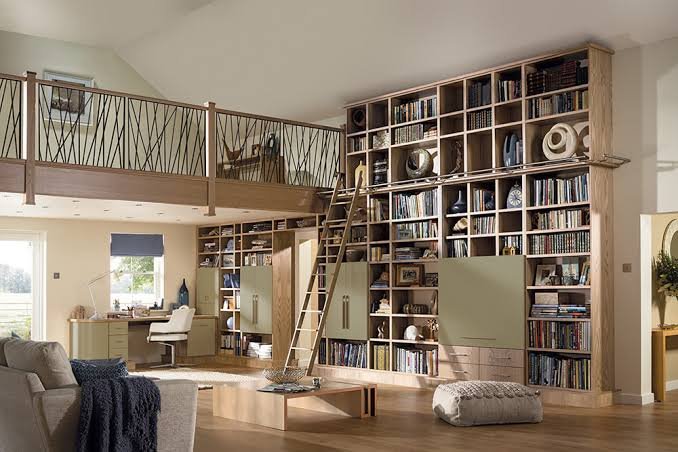
    Rather than treating the living room as one uniform space, divide it mentally (or with furniture placement) into zones — a seating area for relaxing, a corner for a compact desk setup, perhaps a reading nook near a window.

    • Use furniture placement, rugs, or lighting to visually distinguish zones
    • Keep sightlines open between zones so the room doesn’t feel chopped up
    • Prioritise the zone used most often with the best natural light and space

    Choose Furniture That Adapts

    A desk that folds away, a coffee table with hidden storage, an ottoman that converts to extra seating — furniture that shifts function based on need is central to making a multi-functional living room actually work day to day.

    Solve the Work-From-Home Zone Thoughtfully

    Featured snippet: For a work zone within a multi-functional living room, positioning the desk to avoid facing directly into the main seating area helps mentally and visually separate “work mode” from “relax mode,” even without a physical wall dividing the space.

    If possible, position the desk facing a wall or window rather than directly into the room’s main seating area — this small layout choice genuinely helps create a mental boundary between work and downtime.

    Prioritise Flexible Seating

    Modular sofas, or a mix of a sofa with a few lighter, movable chairs, let the room reconfigure easily between a cosy two-person evening and a larger gathering, without needing separate furniture for each scenario.

    Manage Cable and Tech Clutter

    A multi-functional room often means more devices — laptop, monitor, chargers, entertainment system. Cable management solutions and furniture with built-in cable routing keep the space looking intentional rather than cluttered.

    Use Storage to Support Multiple Functions

    Closed storage — cabinets, ottomans, baskets — lets you quickly clear away work materials or hobby items when the room shifts from “work mode” to “relax mode,” keeping the room’s primary decorative look consistent regardless of current use.

    Lighting That Adapts to Different Uses

    Layered lighting — a mix of ambient, task, and accent lighting on separate switches or dimmers — lets the room’s mood and functionality shift throughout the day, from bright and functional for work to warm and relaxed for evening use.

    Keep a Consistent Design Language Across Zones

    Even with distinct functional zones, keeping a consistent colour palette and material choices throughout the room prevents it from feeling like several unrelated spaces awkwardly combined.

    FAQ

    Q: How do I fit a home office into a small living room? A compact desk positioned against a wall or in an underused corner, paired with foldable or wall-mounted storage, works well without dominating the room’s main function.

    Q: What furniture works best for a multi-functional living room? Modular sofas, convertible ottomans, and desks or tables that can fold away or shift purpose are particularly effective.

    Q: How can I make a work zone feel separate without a wall? Positioning the desk to face away from the main seating area, and using a rug or lighting change, helps create a mental boundary even in an open layout.

    Q: Is zoning necessary in a small living room? Yes, even in a small space, some form of zoning — through furniture placement or lighting — helps the room feel organised rather than cluttered when serving multiple purposes.

    Q: What’s the biggest mistake in multi-functional living room design? Trying to make every element visible and accessible all the time, rather than using closed storage to switch the room cleanly between functions.

    Q: Does lighting really matter for a multi-functional space? Yes, layered lighting on separate controls allows the same room to genuinely feel different for work versus relaxing, rather than one static lighting setup trying to serve both.

    Conclusion

    A well-designed multi-functional living room comes down to clear zoning, adaptable furniture, and thoughtful storage that lets the space shift cleanly between roles throughout the day. It takes more upfront planning than a single-purpose room, but for most modern households, a living room that genuinely works for relaxing, working, and entertaining earns back that planning effort many times over.

    Suggested image alt text:

    • “Multi-functional living room with defined work and relaxing zones”
    • “Compact desk positioned in living room corner”
    • “Modular sofa configuration in flexible living room layout”
  • Introduction

    Introduction

    Design trends shift every year, but some years bring changes that genuinely feel worth paying attention to rather than just passing fads. Looking at what’s actually showing up in homes and design projects, these 2026 interior design trends reflect a mix of practicality and personal expression — less about following one rigid look, and more about curated, functional spaces.

    Warm, Earthy Colour Palettes

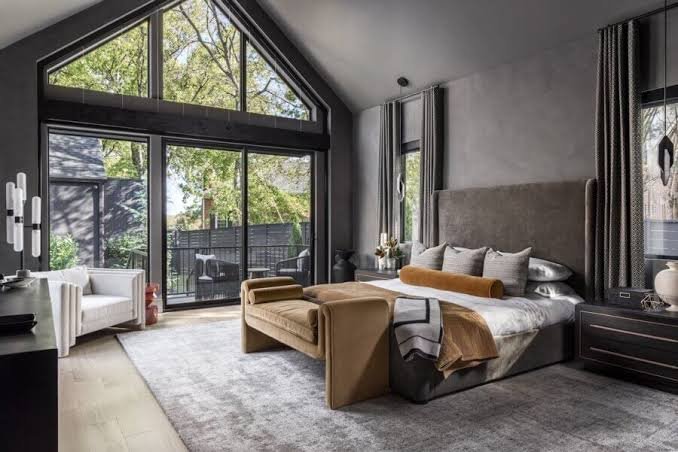
    Featured snippet: One of the clearest 2026 interior design trends is a shift away from stark all-white interiors toward warm, earthy colour palettes — terracottas, warm greens, and soft browns — that feel more grounded and less clinical than the cooler tones popular in recent years.

    Curved and Organic Furniture Shapes

    Sharp, purely geometric furniture is giving way to softer, curved silhouettes — rounded sofas, organic-shaped coffee tables, arched doorways and mirrors. It’s a shift toward forms that feel more relaxed and less rigid.

    • Curved sofas and armchairs as statement pieces
    • Arched mirrors and doorway shapes replacing purely rectangular ones
    • Organic, irregular shapes in decor items like vases and light fixtures

    Sustainable and Natural Materials

    Interest in sustainably sourced wood, natural fibres like jute and linen, and reclaimed materials continues to grow, reflecting a broader shift toward homeowners caring more about where materials come from, not just how they look.

    Multi-Functional Rooms

    With hybrid work still common, rooms that flex between purposes — a guest room doubling as a home office, a dining area that converts to workspace — remain a strong trend, driven by practical need rather than aesthetics alone.

    Featured snippet: Multi-functional room design remains one of the most practically significant 2026 interior design trends, driven largely by continued hybrid and remote work arrangements requiring homes to flex between living and working functions throughout the day.

    Statement Lighting as Art

    Light fixtures are increasingly being chosen as standalone design statements rather than purely functional additions — sculptural pendant lights and oversized fixtures are showing up as genuine focal points in living and dining spaces.

    Textured Walls Beyond Paint

    Beyond flat paint, textured wall treatments — limewash finishes, textured plaster, and fabric wall panels — are gaining popularity for adding depth and visual interest without needing bold colour.

    Biophilic Design Elements

    Bringing nature indoors — more houseplants, natural materials, and even indoor water features — continues as a strong trend, tied to a broader interest in wellness-focused home design.

    Personalised, Curated Spaces Over Matching Sets

    As mentioned in a lot of current design conversation, homeowners are moving away from matching furniture sets toward curated, personal collections of pieces that reflect individual taste rather than a single showroom look. [link to mix and match furniture styles guide here]

    How to Incorporate Trends Without Overcommitting

    Not every trend needs a full room overhaul to adopt. Textiles, accent pieces, and lighting are low-commitment ways to bring current 2026 interior design trends into a space without a major renovation or a design choice you might regret in a couple of years.

    FAQ

    Q: What’s the biggest interior design trend for 2026? Warm, earthy colour palettes replacing stark white and cool-toned interiors stand out as one of the most widely adopted shifts this year.

    Q: Are matching furniture sets still popular in 2026? Not particularly — curated, mixed furniture collections that reflect personal style continue to be favoured over uniform matching sets.

    Q: What materials are trending in interior design this year? Sustainably sourced wood, natural fibres like jute and linen, and reclaimed materials are seeing continued strong interest.

    Q: Is biophilic design still relevant in 2026? Yes, incorporating plants and natural materials remains a consistent trend, tied closely to broader wellness-focused home design interests.

    Q: How can I update my home to reflect current trends without a full renovation? Textiles, lighting, and accent decor are the easiest, lowest-commitment ways to incorporate current trends without major structural changes.

    Q: Are multi-functional rooms still a significant design consideration? Yes, largely due to continued hybrid work arrangements requiring homes to serve more than one purpose throughout the day.

    Conclusion

    The 2026 interior design trends worth paying attention to lean toward warmth, personalisation, and practicality — earthy colours, curved furniture, sustainable materials, and rooms that genuinely flex to fit how people actually live now. You don’t need to chase every trend at once; picking a few that genuinely suit your space and lifestyle will age far better than a full overhaul chasing every current look.

    Suggested image alt text:

    • “Living room with warm earthy colour palette and curved sofa”
    • “Sculptural statement pendant light over dining table”
    • “Home office space with biophilic design elements”