Termites are sneaky in the worst way. They can work through wooden structures for months, sometimes years, before any visible damage shows up. By the time you notice, the repair bill is often far bigger than it would’ve been with early prevention.
These termite prevention tips cover what actually reduces risk, based on how termites typically enter and spread through Indian homes.
What Actually Attracts Termites to a Home?
Quick answer: Termites are primarily attracted to moisture, untreated wood in contact with soil, and cellulose-based materials like cardboard stored near the foundation — controlling these factors is the foundation of effective termite prevention.
1. Control Moisture Around the Foundation
Termites need moisture to survive, and damp soil near your home’s foundation creates ideal conditions. Fix any drainage issues directing water toward the foundation, and ensure gutters aren’t overflowing near foundation walls.
2. Keep Wood Away from Direct Soil Contact
Any wooden structure — fencing, furniture, firewood storage — touching soil directly creates an easy entry point. Elevate wood storage on concrete or metal stands instead.
3. Regular Inspection of Wooden Structures
- Check door and window frames for hollow-sounding wood
- Inspect furniture legs and wooden flooring edges periodically
- Look for mud tubes along walls, a telltale sign of subterranean termites
Quick answer: Mud tubes running along walls or foundations are one of the clearest visible signs of subterranean termite activity, and spotting these early allows for treatment before structural damage becomes extensive.
4. Pre-Construction Termite Treatment
If you’re building new or doing major renovation involving foundation work, pre-construction anti-termite treatment is significantly more effective and cheaper than post-construction treatment after an infestation has already started.
5. Regular Professional Inspection
Even without visible signs, a professional termite inspection every 2-3 years catches early infestations before they cause serious structural damage. This typically costs ₹1,500-₹3,000 depending on home size.
6. Reduce Cellulose Material Storage
Cardboard boxes, old newspapers, and paper stored in basements or storage areas provide termites with an easy food source close to your home’s structure. Store these in sealed plastic containers instead.
7. Natural and Chemical Prevention Options
- Neem-based natural repellents, milder but require more frequent reapplication
- Chemical soil treatment barriers, longer-lasting but need professional application
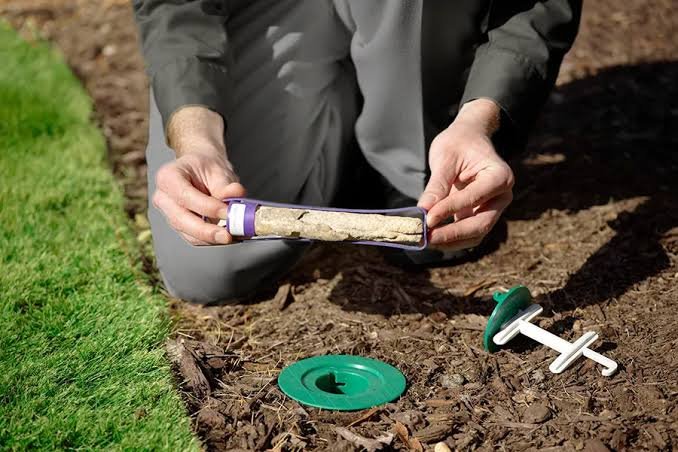
- Termite baiting systems, effective for ongoing monitoring and control
8. What to Do If You Spot an Infestation
Quick answer: If you spot termite activity — mud tubes, hollow wood, discarded wings near windows — contact a professional pest control service immediately, since DIY treatments often only address surface symptoms without eliminating the underlying colony.
Don’t try to handle an active infestation entirely yourself. I’ve seen people spray generic pesticide on visible termites, feel satisfied, and then discover the colony was still thriving elsewhere in the structure months later.
FAQs
Q: How do I know if I have a termite problem before visible damage appears? Mud tubes along walls, hollow-sounding wood when tapped, and discarded wings near windows are early warning signs worth investigating.
Q: Is termite treatment a one-time thing or does it need repeating? Most chemical soil treatments last 5-10 years, but periodic inspection is still recommended to catch any new activity early.
Q: Can termites cause serious structural damage to a concrete home? Yes, particularly to wooden components like doors, window frames, and roof structures, even in predominantly concrete construction.
Q: What’s the cost of professional termite treatment in India? Typically ₹8,000-₹25,000 depending on home size and treatment type, varying by city and severity of infestation if any exists.
Q: Do natural termite repellents actually work? They offer some deterrent effect but are generally less effective and longer-lasting than professional chemical treatments for active infestations.
Conclusion
Good termite prevention comes down to controlling moisture, avoiding direct wood-to-soil contact, and catching early signs through regular inspection. It’s genuinely one of those maintenance tasks that costs very little compared to the structural damage an unchecked infestation can eventually cause. [link to related guide on gutter cleaning here]
Alt text suggestions:
- “Mud tubes on foundation wall indicating termite activity”
- “Pest control professional inspecting wooden door frame for termites”
- “Elevated firewood storage preventing termite entry points”