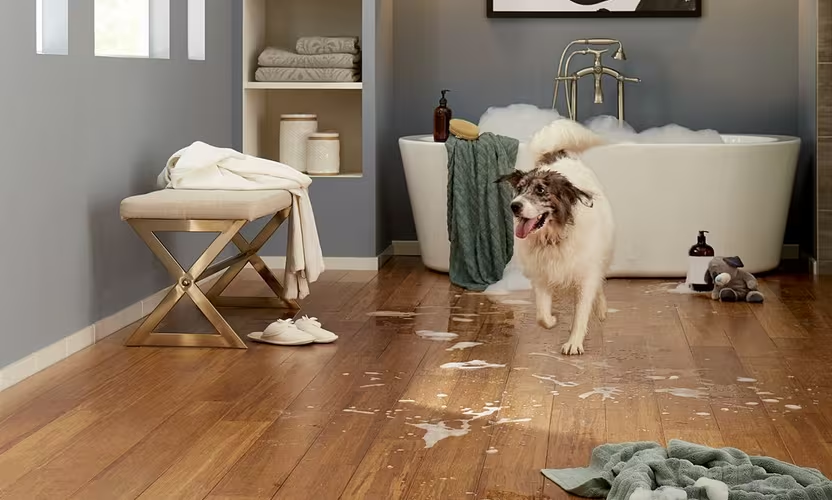
Anyone who’s lived with a dog or cat knows flooring takes a beating — scratches, accidents, muddy paws after a walk. Choosing the best flooring for pets upfront saves a lot of frustration (and money on repeated refinishing) down the line. Not every flooring type handles pet life equally well, so it’s worth thinking this through before installation, not after the first set of scratches shows up.
What Makes Flooring Pet-Friendly
Featured snippet: The best flooring for pets combines scratch resistance, water resistance, and a textured surface that isn’t too slippery for paws — vinyl, luxury vinyl plank, and certain engineered woods with harder finishes consistently rank among the top choices for homes with dogs or cats.
Luxury Vinyl Plank (LVP)
LVP has become one of the most popular choices for pet owners, and for good reason — it’s water-resistant, reasonably scratch-resistant, and mimics the look of hardwood without the same vulnerability to damage.
- Handles moisture from accidents or wet paws far better than real hardwood
- Available in textures that provide decent grip for pets
- More affordable than genuine hardwood, with easier repair if a plank gets damaged
Tile
Tile is extremely durable and scratch-resistant, making it a strong choice for high-traffic pet areas. The main downside is that it can feel cold and hard, and grout lines need occasional cleaning to avoid staining or odour buildup.
Engineered Hardwood With a Hard Finish
If you want the look of real wood, engineered hardwood with a scratch-resistant finish handles pets better than traditional solid hardwood, though it’s still not as resilient as vinyl or tile.
Featured snippet: Engineered hardwood with a hardened finish is a reasonable middle-ground choice for pet owners who want a wood look, since it offers more scratch resistance than solid hardwood while still providing better warmth and comfort underfoot than tile.
Laminate Flooring
Modern laminate options have improved significantly in scratch resistance and water resistance, making them a budget-friendly alternative that still holds up reasonably well to pet activity, though not quite as durable as LVP or tile.
What to Avoid
Solid hardwood, while beautiful, scratches easily and doesn’t handle moisture well — a combination that doesn’t hold up long in a home with active pets. Similarly, very soft, low-pile carpet tends to trap odours and stains more than harder flooring surfaces.
Considering Traction for Older or Larger Pets
For older dogs or larger breeds, overly smooth or glossy flooring can be genuinely difficult to walk on, sometimes contributing to joint strain. Textured finishes on vinyl or tile provide better grip without sacrificing durability.
Balancing Pet-Friendliness With Household Aesthetic
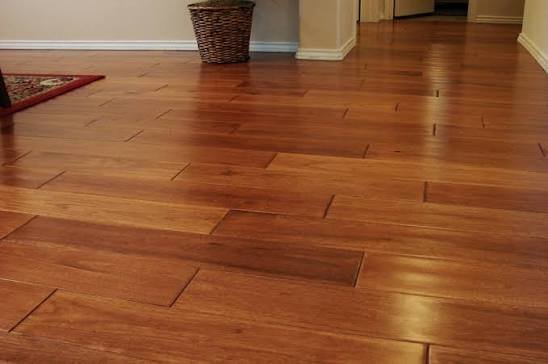
The good news is that pet-friendly flooring doesn’t mean sacrificing style — modern LVP and engineered wood options come in a wide range of finishes that look genuinely close to real hardwood, so you’re not choosing between practicality and appearance anymore.
FAQ
Q: What’s the most scratch-resistant flooring for pets? Tile is generally the most scratch-resistant, followed closely by luxury vinyl plank with a durable wear layer.
Q: Is hardwood flooring bad for homes with pets? Solid hardwood is more vulnerable to scratches and moisture damage compared to engineered wood, vinyl, or tile, making it a less ideal choice for very active pets.
Q: Does flooring choice affect pet safety? Yes, overly smooth or glossy surfaces can be slippery for pets, particularly older or larger dogs, so textured finishes are generally safer.
Q: Is carpet ever a good choice for homes with pets? Low-pile, stain-resistant carpet can work in lower-traffic areas, but harder flooring generally handles accidents and cleanup better in main living spaces.
Q: Is luxury vinyl plank durable enough for large dogs? Yes, quality LVP with a thick wear layer holds up well even for larger, more active dogs.
Q: How often does pet-friendly flooring need replacing compared to standard flooring? With proper flooring choices like LVP or tile, pet homes shouldn’t need more frequent replacement than any other home — the whole point is durability suited to daily pet activity.
Conclusion
Choosing the best flooring for pets comes down to balancing durability, water resistance, and comfort underfoot. Luxury vinyl plank and tile consistently perform best for active households, while engineered hardwood offers a solid middle ground for those wanting a wood look. Whatever you choose, prioritising scratch resistance and moisture handling upfront saves a lot of hassle compared to dealing with damaged flooring later.
Suggested image alt text:
- “Dog lying on scratch-resistant luxury vinyl plank flooring”
- “Textured tile flooring in a pet-friendly home”
- “Engineered hardwood flooring with pet paw prints nearby”