“How much will it cost to paint my house?” is one of those questions with an answer that genuinely depends on more factors than people expect. This interior painting cost guide breaks down what actually drives the price up or down, so you can budget realistically before getting quotes in 2026, rather than being surprised by the final number.
What Determines Interior Painting Cost
Featured snippet: Interior painting cost is primarily determined by square footage, number of coats needed, paint quality, wall condition (prep work required), and labour rates in your specific city — with prep work and paint quality being the two factors most homeowners underestimate.
Cost Per Room, Roughly
While exact numbers vary significantly by city and contractor, most homeowners can expect interior painting costs to fall within a fairly wide range depending on room size and condition:
- Small bedroom: generally the least expensive room to paint
- Living room or larger open spaces: cost scales with wall area and ceiling height
- Kitchens and bathrooms: sometimes cost more due to additional prep around fixtures and cabinetry
Paint Quality Affects Cost More Than People Expect
Premium paints cost more per litre but often require fewer coats for full coverage and last longer before needing a repaint. Budget paint can end up costing more overall if it needs a third coat or fades within a couple of years.
Wall Prep Work Is Often Underestimated
Featured snippet: Wall preparation — patching holes, sanding rough spots, and priming stained or previously dark-coloured walls — is one of the most commonly underestimated costs in an interior painting project, sometimes adding significantly to both time and total price.
If your walls have visible damage, water stains, or you’re painting over a dark colour with a lighter one, factor in extra time and cost for proper prep and priming.
Labour vs Material Cost Split
For most professional interior painting jobs, labour typically makes up a larger share of the total cost than materials — meaning the size and complexity of the job affects price more than the specific paint brand chosen.
DIY vs Hiring a Professional
DIY painting saves significantly on labour cost, but takes considerably more time and requires some skill to get clean edges and even coverage. Hiring a professional costs more upfront but generally delivers a faster, more consistent finish, particularly for larger or more complex spaces.
Additional Costs to Budget For
- Painter’s tape, drop cloths, and basic supplies if doing it yourself
- Furniture moving or covering, sometimes an additional charge with professional services
- Ceiling painting, often priced separately from wall painting
- Trim and door painting, which requires more careful, time-consuming work per square foot
Getting an Accurate Quote
Get at least two or three quotes from different painters, and make sure each quote specifies number of coats, paint brand/quality, and whether prep work is included — vague quotes are where unexpected cost increases tend to hide.
FAQ
Q: What’s the average interior painting cost per room? It varies significantly by city, room size, and paint quality, but most homeowners should expect a noticeable range between a small bedroom and a large living space.
Q: Does paint quality really affect overall cost? Yes — premium paint often needs fewer coats and lasts longer, sometimes offsetting its higher price per litre compared to cheaper paint needing more frequent repainting.
Q: Is wall prep work usually included in painting quotes? Not always — always confirm specifically whether patching, sanding, and priming are included, since this is a common source of unexpected additional cost.
Q: Is DIY painting significantly cheaper than hiring a professional? Yes, mainly because it eliminates labour cost, though it requires more time and some skill for a clean, even finish.
Q: How many coats of paint are usually needed? Two coats are standard for most colour changes, though covering a dark colour with a lighter one often requires an additional coat or a specific primer.
Q: Does ceiling painting cost extra? Often yes, ceilings are frequently priced separately from wall painting due to the different technique and positioning required.
Conclusion
Getting a realistic interior painting cost estimate means looking beyond just square footage — paint quality, wall condition, and labour all factor in significantly. Get detailed, itemised quotes, budget extra for any necessary prep work, and decide upfront whether DIY or professional painting makes more sense for your specific project and timeline.
Suggested image alt text:
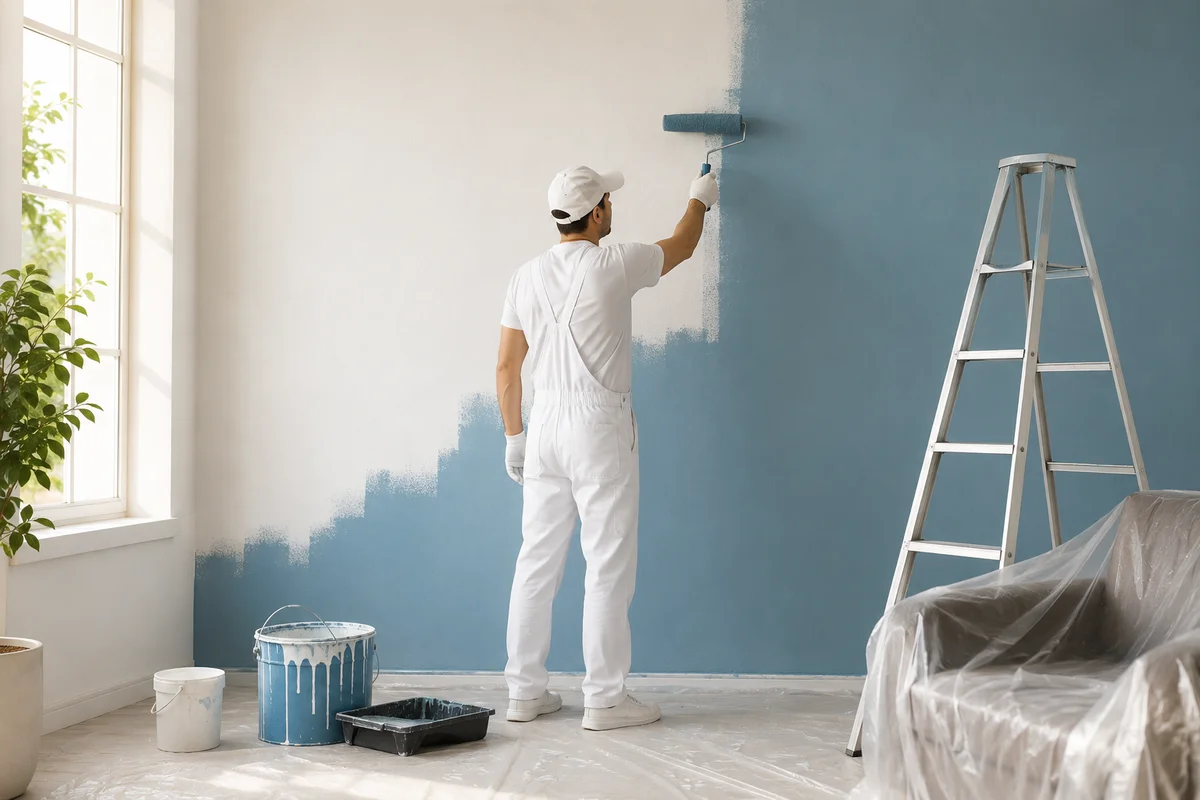
- “Professional painter applying coat to interior wall”
- “Paint cans and supplies staged for interior painting job”
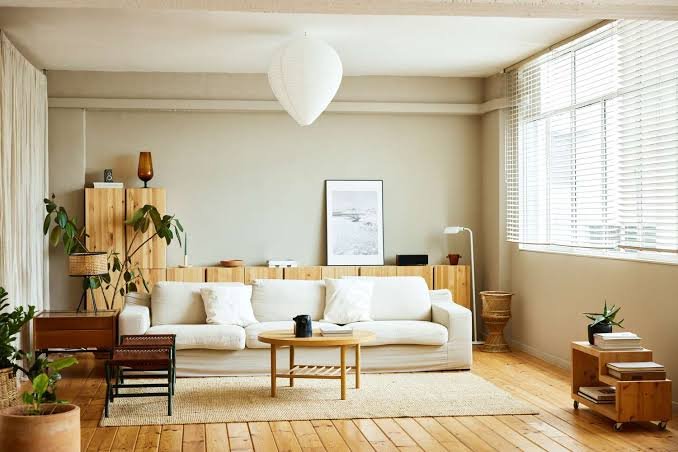
- “Freshly painted living room with visible even coverage”