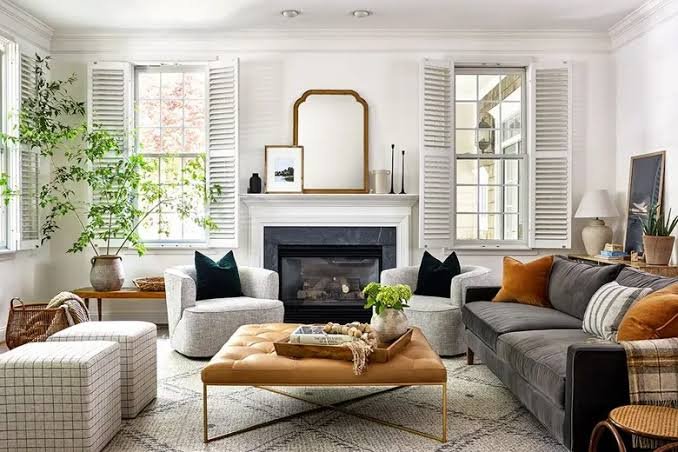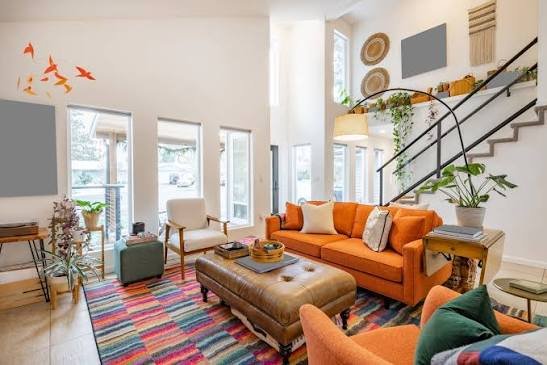
There’s a reason interior designers rarely fill a room with a single matching furniture set — it tends to look more like a showroom than a home. Learning to mix and match furniture styles confidently gives a space personality, but it takes a bit of intentional thought to avoid the room looking mismatched instead of curated.
Start With a Unifying Element
Featured snippet: The easiest way to mix and match furniture styles successfully is to choose one unifying element — a consistent colour palette, a shared material like wood tone, or a common design era — that ties visually different pieces together across the room.
Without at least one connecting thread, mixed furniture can start to feel random rather than intentional.
Balance Different Eras Thoughtfully
Pairing a mid-century modern sofa with a more traditional wooden coffee table, for instance, can work beautifully — as long as there’s some shared element, like colour or proportion, connecting the two.
- Pick one dominant style as the base, and treat other pieces as accents
- Avoid having too many strong “statement” pieces competing in one room
- Let smaller items — cushions, lamps, art — bridge the gap between styles
Keep a Consistent Colour Thread
Even wildly different furniture styles read as cohesive if they share a colour thread — whether that’s through fabric, wood tone, or accent pieces like cushions and throws tying everything together.
Vary Textures for Visual Interest
Mixing textures — a smooth leather chair next to a woven rattan accent, for example — adds depth to a room without needing everything to match stylistically. This contrast is often what makes a mixed-style room feel intentional rather than accidental.
Use Proportions to Create Harmony
Featured snippet: When mixing furniture styles, keeping pieces at similar scale and proportion — even if their design styles differ significantly — helps a room feel balanced, since dramatically mismatched sizes tend to draw attention to the difference in style rather than letting it blend naturally.
Don’t Be Afraid of One Bold Contrast Piece
A single unexpected piece — a bold modern chair in an otherwise traditional room, for instance — can work really well as a focal point, as long as it doesn’t compete with too many other statement pieces in the same space.
Group Similar Pieces Together
If you’re mixing multiple styles, grouping pieces of a similar style within one zone of the room (like a reading nook or seating area), rather than scattering them randomly, tends to look more deliberate.
Trust the Room, Not Just the Trend
What works in a photo online doesn’t always translate directly to your specific room’s proportions, lighting, and existing pieces. Bring in one new piece at a time when experimenting with a mixed style, rather than overhauling everything at once based on inspiration photos alone.
FAQ
Q: Is it okay to mix different furniture styles in the same room? Yes, mixing styles thoughtfully often creates a more personal, curated look than an entirely matching furniture set.
Q: What’s the easiest way to start mixing furniture styles? Choose one unifying element first — colour palette, wood tone, or era — and build the rest of the mix around that connecting thread.
Q: How many different furniture styles is too many for one room? Generally, sticking to two or at most three complementary styles within a room keeps it feeling cohesive rather than chaotic.
Q: Do textures matter when mixing furniture styles? Yes, varying textures like leather, wood, and woven materials adds intentional visual interest and helps different styles feel connected rather than random.
Q: Should furniture pieces be similar in size when mixing styles? Keeping proportions relatively consistent helps mismatched styles blend more naturally, rather than drawing attention to their differences.
Q: How do I know if my mixed furniture style is working? If the room has a clear connecting element — colour, material, or scale — and no single piece feels randomly out of place, the mix is generally working well.
Conclusion
Learning to mix and match furniture styles well comes down to finding at least one unifying thread — colour, material, or proportion — and building around it intentionally rather than randomly. Done thoughtfully, a mixed-style room feels more personal and layered than a single matching set ever could. Start small, add one new piece at a time, and trust how it actually looks in your specific space over any single inspiration photo.
Suggested image alt text:
- “Living room mixing mid-century and traditional furniture styles”
- “Textured cushions bridging different furniture styles”
- “Bold modern chair as accent in traditional room”