For a lot of homes, the living room has quietly become the busiest room in the house — relaxing in the evening, working during the day, hosting guests on weekends. A well-planned multi-functional living room handles all of this without feeling cluttered or compromised in any single role. It takes a bit more planning than a purely decorative living room, but the payoff is a space that genuinely earns its square footage.
Define the Room’s Primary Functions First
Featured snippet: The first step in designing a multi-functional living room is honestly listing every activity the space needs to support — relaxing, working, entertaining, storage — since the furniture and layout decisions that follow depend entirely on getting this list right before shopping for anything.
Zone the Room by Activity
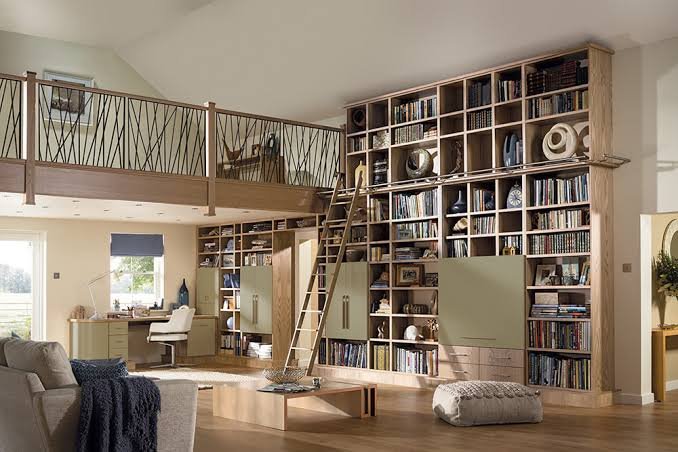
Rather than treating the living room as one uniform space, divide it mentally (or with furniture placement) into zones — a seating area for relaxing, a corner for a compact desk setup, perhaps a reading nook near a window.
- Use furniture placement, rugs, or lighting to visually distinguish zones
- Keep sightlines open between zones so the room doesn’t feel chopped up
- Prioritise the zone used most often with the best natural light and space
Choose Furniture That Adapts
A desk that folds away, a coffee table with hidden storage, an ottoman that converts to extra seating — furniture that shifts function based on need is central to making a multi-functional living room actually work day to day.
Solve the Work-From-Home Zone Thoughtfully
Featured snippet: For a work zone within a multi-functional living room, positioning the desk to avoid facing directly into the main seating area helps mentally and visually separate “work mode” from “relax mode,” even without a physical wall dividing the space.
If possible, position the desk facing a wall or window rather than directly into the room’s main seating area — this small layout choice genuinely helps create a mental boundary between work and downtime.
Prioritise Flexible Seating
Modular sofas, or a mix of a sofa with a few lighter, movable chairs, let the room reconfigure easily between a cosy two-person evening and a larger gathering, without needing separate furniture for each scenario.
Manage Cable and Tech Clutter
A multi-functional room often means more devices — laptop, monitor, chargers, entertainment system. Cable management solutions and furniture with built-in cable routing keep the space looking intentional rather than cluttered.
Use Storage to Support Multiple Functions
Closed storage — cabinets, ottomans, baskets — lets you quickly clear away work materials or hobby items when the room shifts from “work mode” to “relax mode,” keeping the room’s primary decorative look consistent regardless of current use.
Lighting That Adapts to Different Uses
Layered lighting — a mix of ambient, task, and accent lighting on separate switches or dimmers — lets the room’s mood and functionality shift throughout the day, from bright and functional for work to warm and relaxed for evening use.
Keep a Consistent Design Language Across Zones
Even with distinct functional zones, keeping a consistent colour palette and material choices throughout the room prevents it from feeling like several unrelated spaces awkwardly combined.
FAQ
Q: How do I fit a home office into a small living room? A compact desk positioned against a wall or in an underused corner, paired with foldable or wall-mounted storage, works well without dominating the room’s main function.
Q: What furniture works best for a multi-functional living room? Modular sofas, convertible ottomans, and desks or tables that can fold away or shift purpose are particularly effective.
Q: How can I make a work zone feel separate without a wall? Positioning the desk to face away from the main seating area, and using a rug or lighting change, helps create a mental boundary even in an open layout.
Q: Is zoning necessary in a small living room? Yes, even in a small space, some form of zoning — through furniture placement or lighting — helps the room feel organised rather than cluttered when serving multiple purposes.
Q: What’s the biggest mistake in multi-functional living room design? Trying to make every element visible and accessible all the time, rather than using closed storage to switch the room cleanly between functions.
Q: Does lighting really matter for a multi-functional space? Yes, layered lighting on separate controls allows the same room to genuinely feel different for work versus relaxing, rather than one static lighting setup trying to serve both.
Conclusion
A well-designed multi-functional living room comes down to clear zoning, adaptable furniture, and thoughtful storage that lets the space shift cleanly between roles throughout the day. It takes more upfront planning than a single-purpose room, but for most modern households, a living room that genuinely works for relaxing, working, and entertaining earns back that planning effort many times over.
Suggested image alt text:
- “Multi-functional living room with defined work and relaxing zones”
- “Compact desk positioned in living room corner”
- “Modular sofa configuration in flexible living room layout”