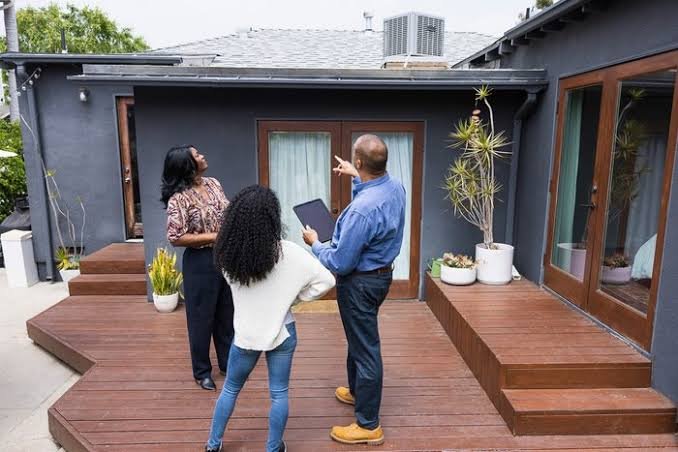
Every homeowner selling a property wants the same thing — the best possible price, in the shortest reasonable time. The good news is you don’t need a massive renovation to meaningfully increase home resale value. Buyers respond to specific, visible signals, and knowing which ones matter most makes all the difference in where you spend your pre-listing budget and effort.
Focus on First Impressions First
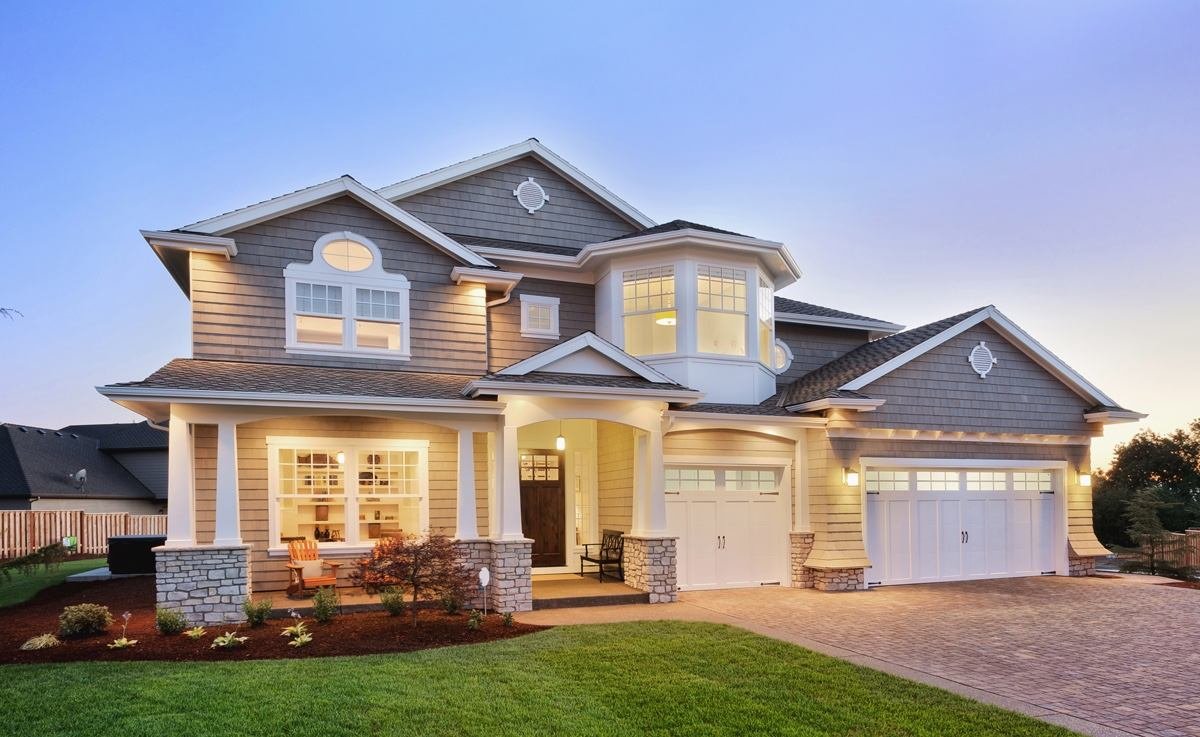
Featured snippet: Curb appeal — a tidy exterior, fresh paint on the front door, and well-maintained landscaping — is consistently one of the highest-impact, lowest-cost ways to increase home resale value, since it shapes a buyer’s opinion before they’ve even stepped inside.
Fix Visible Wear and Tear
Cracked tiles, peeling paint, squeaky doors — these small issues signal neglect to a buyer, even if the underlying home is structurally sound. Fixing them before listing removes an easy reason for buyers to negotiate the price down.
- A fresh coat of neutral interior paint appeals to the widest range of buyers
- Replace any broken fixtures, switches, or handles throughout the home
- Deep clean thoroughly, including carpets, grout, and windows
Kitchen and Bathroom Updates Pay Off Most
Full remodels aren’t always necessary, but modest updates — new cabinet hardware, updated fixtures, fresh caulking — in kitchens and bathrooms tend to influence buyer perception more than updates in any other room.
Declutter and Depersonalise
Featured snippet: Decluttering and removing personal items like family photos before listing helps buyers picture themselves living in the space, which real estate agents consistently rank among the most effective, zero-cost ways to increase home resale value.
This costs nothing beyond effort, yet it’s one of the most consistently recommended steps by real estate professionals for a reason — it genuinely changes how buyers perceive a space during viewings.
Improve Lighting Throughout
Bright, well-lit rooms photograph and show better than dim ones. Simple fixes — higher wattage bulbs, cleaned light fixtures, sheer curtains that let in more natural light — make rooms feel larger and more welcoming.
Address Any Known Structural Issues
Buyers, or their inspectors, will find major issues eventually. Addressing known structural or plumbing problems before listing, rather than pricing around them, generally results in a smoother sale and fewer renegotiations after inspection.
Stage Key Rooms
You don’t need to stage the entire house, but staging the living room, main bedroom, and kitchen — the rooms buyers spend the most time in during a viewing — has a disproportionate effect on overall impression.
Get a Pre-Listing Inspection
A pre-listing inspection lets you fix issues on your own terms and timeline, rather than scrambling to negotiate repairs after a buyer’s inspector finds something during the transaction.
FAQ
Q: What gives the best return when trying to increase home resale value? Curb appeal improvements and minor kitchen/bathroom updates consistently offer the best return relative to their cost.
Q: Is it worth doing a full renovation before selling? Usually not — targeted, cosmetic improvements tend to offer better cost-to-value ratio than a full renovation for most sellers.
Q: Does decluttering really affect resale value? Yes, real estate agents widely agree that decluttered, depersonalised spaces help buyers connect with a home more easily during viewings.
Q: Should I fix structural issues before listing? Generally yes — addressing known issues upfront usually leads to smoother negotiations than pricing around undisclosed problems.
Q: How much should I budget for pre-listing improvements? It varies by home condition, but many sellers see good results with a budget in the range of 1-3% of the home’s estimated sale price.
Q: Is professional staging necessary? Not always — staging key rooms yourself with decluttering, better lighting, and neutral décor can achieve much of the same effect at lower cost.
Conclusion
You can meaningfully increase home resale value without an expensive renovation — focus on curb appeal, fix visible wear, declutter thoroughly, and address any known issues upfront. These changes cost a fraction of a full remodel but shape buyer perception just as strongly, often leading to faster sales and stronger offers.
Suggested image alt text:
- “Well-maintained home exterior with fresh paint and landscaping”
- “Decluttered, staged living room ready for viewing”
- “Updated kitchen fixtures before home listing”