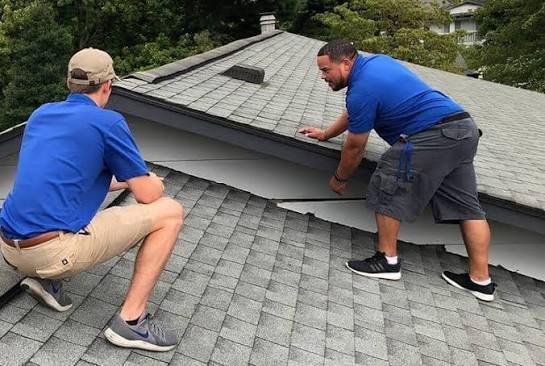
Roof inspections aren’t something most homeowners think about until there’s already a problem, which is a bit backwards — a proactive inspection often catches issues while they’re still cheap to fix. This roof inspection checklist walks through what a professional actually looks at, and roughly how long the whole process takes.
How Long Does a Roof Inspection Typically Take?
Featured snippet: A standard residential roof inspection typically takes 45 minutes to 2 hours, depending on roof size, complexity, and whether the inspector needs to access the attic and interior ceiling areas in addition to the roof surface itself.
For larger or more complex roofs, or ones with multiple levels and features like skylights or chimneys, inspections can run longer.
Exterior Roof Surface Check
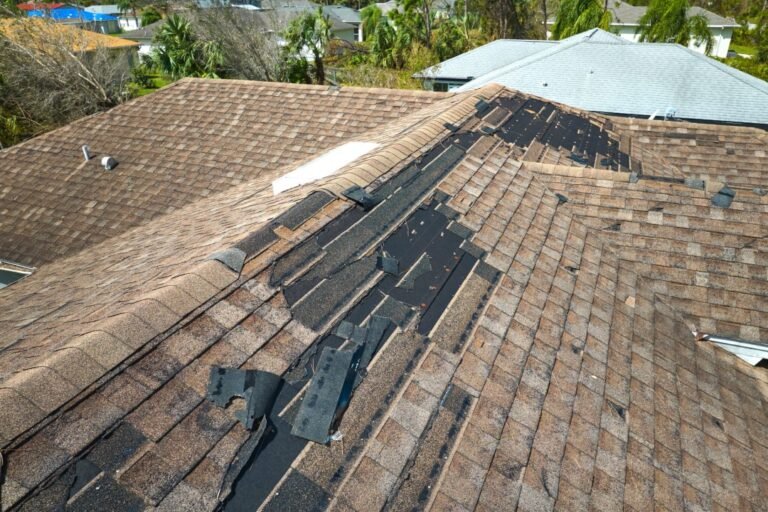
The inspector examines shingles, tiles, or roofing material for cracking, curling, missing pieces, or granule loss, along with checking flashing around chimneys, vents, and skylights for gaps or deterioration.
- Overall condition and wear of the primary roofing material
- Flashing integrity around all roof penetrations
- Gutter condition and proper drainage function
Structural Assessment
Beyond surface material, a thorough inspection checks for sagging, uneven areas, or signs of structural stress that might indicate underlying support issues rather than just surface wear.
Attic and Interior Inspection
Featured snippet: A thorough roof inspection checklist always includes checking the attic from the inside for water stains, mould, inadequate insulation, and proper ventilation — issues that are often invisible from outside but indicate real roof problems developing underneath the surface.
This step is genuinely important and sometimes skipped by less thorough inspectors — always ask specifically whether attic access is included.
Ventilation and Insulation Check
Poor attic ventilation accelerates roof deterioration from the inside, even if the exterior looks fine. A good inspection assesses whether ventilation is adequate for the roof’s design and climate.
Gutter and Drainage Assessment
Clogged or poorly functioning gutters cause water to pool or run down exterior walls, eventually leading to damage. Inspectors check gutter condition, attachment, and whether water is draining properly away from the foundation.
Checking for Pest or Animal Damage
Small gaps around roof edges or vents can allow pests to enter, and their presence often causes additional damage over time. A thorough inspection checks for entry points and signs of nesting or damage.
What You Should Receive After an Inspection
A proper roof inspection should conclude with a written report — not just a verbal summary — detailing findings, photos where relevant, and clear recommendations, whether that’s routine maintenance, targeted repairs, or replacement.
How Often Should Roof Inspections Happen?
Most professionals recommend an inspection at least once a year, plus additional checks after major storms or extreme weather events that could have caused damage not immediately visible from the ground.
FAQ
Q: How long does a typical roof inspection take? Usually 45 minutes to 2 hours, depending on roof size and complexity.
Q: Does a roof inspection include the attic? A thorough inspection should include the attic, since many issues show up there before becoming visible on the exterior surface.
Q: How often should I get my roof inspected? At least once a year, with additional inspections after significant storms or extreme weather.
Q: What’s included in a typical roof inspection checklist? Exterior surface condition, flashing, structural assessment, attic and ventilation check, and gutter/drainage evaluation.
Q: Should I get a written report after a roof inspection? Yes, a proper inspection should include a written report with findings and recommendations, not just a verbal summary.
Q: Is a roof inspection worth the cost if there’s no visible problem? Yes — catching minor issues early through routine inspection is generally far cheaper than addressing major damage after it develops.
Conclusion
A proper roof inspection checklist covers far more than a quick glance at the shingles from the ground — it includes structural assessment, attic checks, ventilation, and drainage, all of which affect roof lifespan. Getting an inspection annually, and always after major storms, catches small issues while they’re still inexpensive to fix rather than letting them develop into major repairs.
Suggested image alt text:
- “Roof inspector examining shingles and flashing”
- “Attic inspection for water stains and ventilation”
- “Gutter inspection during roof assessment”