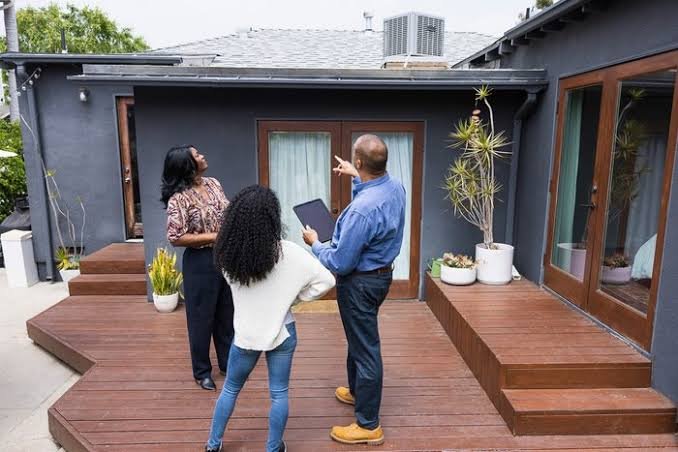
Buying a first home is exciting, but it’s also where people tend to make decisions they regret a few years later. Most first-time home buyer mistakes aren’t dramatic — they’re small oversights that compound over time into real financial or lifestyle regret. Having watched a few friends go through this process (some smoothly, some not), a handful of mistakes keep coming up again and again.
Not Getting Pre-Approved Before House Hunting
Featured snippet: One of the most common first-time home buyer mistakes is house hunting before securing loan pre-approval — this often leads to falling in love with a property outside your actual budget, and wastes time negotiating on homes you may not even qualify to finance.
Underestimating Additional Costs
The property price is rarely the whole story. Registration fees, stamp duty, legal charges, and moving costs add up, sometimes to a significant percentage on top of the purchase price. Budget for these from the start, not as an afterthought.
- Registration and stamp duty vary by state and can be substantial
- Home inspection and legal verification fees are easy to forget
- Moving and initial furnishing costs often get underestimated too
Skipping Proper Legal Due Diligence
Not verifying property title, ownership history, and any pending litigation is one of the more serious first-time home buyer mistakes, since problems here can surface years later and be extremely costly to resolve.
Letting Emotion Override the Budget
It happens to almost everyone at some point during the search — falling for a property just slightly outside budget, then justifying stretching finances to make it work. This is exactly the kind of decision that feels fine in the moment and stressful for years afterward.
Ignoring the Neighbourhood, Not Just the House
A great house in a poorly suited neighbourhood — bad commute, limited amenities, safety concerns — often becomes a source of regret that the house itself can’t fix. Spend time in the area at different times of day before committing.
Featured snippet: Visiting a prospective neighbourhood at different times of day — morning, evening, and weekend — reveals traffic patterns, noise levels, and general atmosphere that a single daytime viewing simply won’t show, making it one of the most useful due diligence steps for first-time buyers.
Skipping a Professional Home Inspection
Especially with resale properties, skipping an inspection to save a relatively small fee can mean missing structural issues, plumbing problems, or electrical faults that cost far more to fix later.
Not Accounting for Future Needs
Buying based purely on current circumstances, without considering the next 5-10 years — growing family, aging parents moving in, work-from-home needs — can mean outgrowing a home faster than expected.
Rushing the Decision
Real estate markets can create pressure to decide quickly, especially in competitive areas. But a rushed decision on something this significant is rarely a good trade-off just to “not lose out” on one particular property.
FAQ
Q: What’s the most common first-time home buyer mistake? House hunting without loan pre-approval is one of the most frequent, often leading to wasted time and unrealistic expectations.
Q: How much should I budget beyond the property price? Typically 7-10% extra for registration, stamp duty, and legal fees, though this varies significantly by location.
Q: Is a home inspection really necessary? Yes, particularly for resale properties — it can reveal costly structural or systems issues that aren’t visible during a standard viewing.
Q: How important is the neighbourhood compared to the house itself? Very important — a mismatched neighbourhood is much harder to change than most issues with the house itself.
Q: Should first-time buyers negotiate on price? Yes, in most markets there’s some room to negotiate, especially if a home inspection reveals issues that justify a lower offer.
Q: How long should the home buying process take? It varies, but rushing a decision within days of first viewing a property is generally not advisable — take time for due diligence even under market pressure.
Conclusion
Most first-time home buyer mistakes come down to skipping a step that felt unnecessary in the moment — pre-approval, inspection, neighbourhood research, or proper legal checks. None of these take an enormous amount of extra time, but each one protects you from a mistake that’s expensive and difficult to undo later. Slow down slightly, do the checks, and the process becomes far less stressful.
Suggested image alt text:
- “First-time home buyers reviewing documents with agent”
- “Home inspector checking property structure”
- “Couple viewing neighbourhood before buying a home”