At some point, patching a roof stops being a solution and starts being a way of delaying an inevitable bigger expense. Knowing the actual signs roof needs replacement — rather than just another repair — saves money in the long run, since repeated patch jobs on an aging roof rarely work out cheaper than one proper replacement.
Age of the Roof Matters More Than People Think
Featured snippet: Most roofing materials have a functional lifespan of 15-25 years depending on the material — once a roof approaches or exceeds this range, repeated minor repairs often become a stopgap rather than a genuine fix, and replacement becomes the more cost-effective long-term option.
Widespread Leaking, Not Just One Spot
A single leak in one area is often repairable. Leaks appearing in multiple, unrelated spots across the roof usually indicate the underlying material has deteriorated broadly, not just failed in one location.
- Multiple leak points across different areas of the roof
- Recurring leaks in the same spot despite previous repairs
- Water stains spreading across ceilings in more than one room
Visible Sagging
A sagging roofline is a serious warning sign, often pointing to structural damage from prolonged water exposure or weakened support underneath. This isn’t a cosmetic issue — it needs prompt professional assessment.
Extensive Cracking or Curling
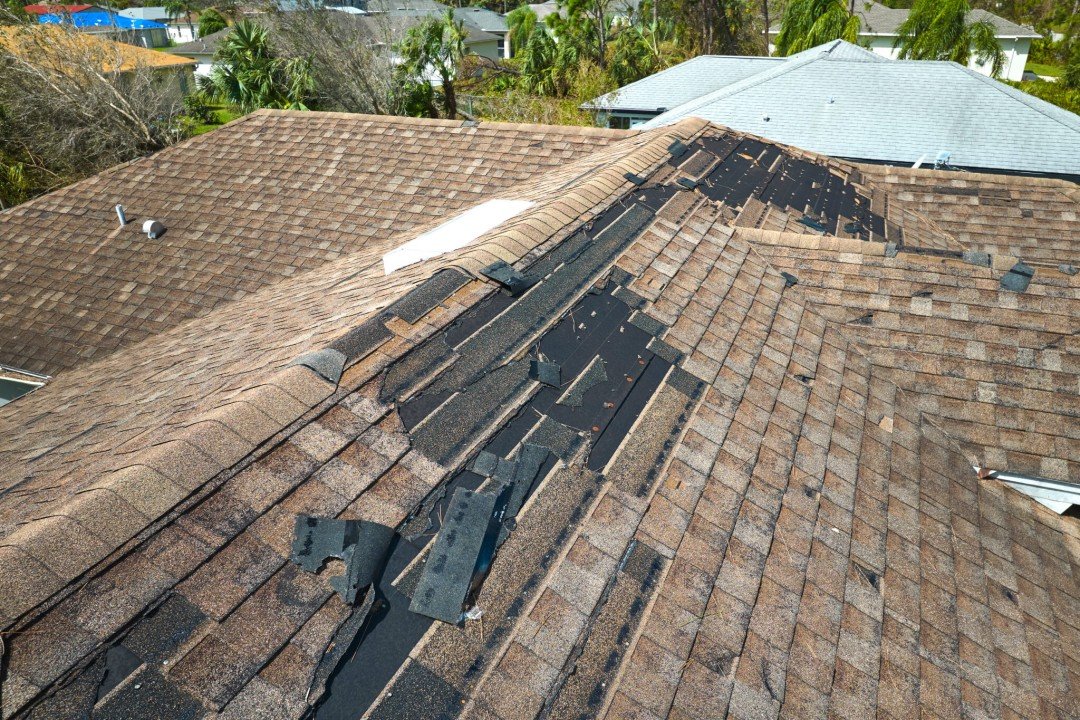
For roofs with shingles or tiles, widespread cracking, curling edges, or missing pieces across a large portion of the roof suggest the material has reached the end of its useful life, rather than needing a targeted patch.
Frequent, Recurring Repairs
Featured snippet: If a roof has needed three or more repairs within a couple of years, the cumulative repair cost often approaches or exceeds what a full replacement would have cost — at that point, replacement is typically the more financially sound choice.
If you find yourself calling a roofer every few months for a different issue, that pattern itself is one of the clearest signs roof needs replacement rather than continued piecemeal fixes.
Daylight Visible Through the Roof Boards
If you can see daylight through the attic or roof boards, this indicates significant gaps or deterioration that repair alone typically can’t adequately address.
Granule Loss on Shingles
Excessive granules collecting in gutters, combined with shingles looking bald or patchy, signals advanced wear. This accelerates further deterioration and is a strong indicator that replacement timing is approaching.
Rising Energy Bills Without Explanation
A deteriorating roof can affect insulation and ventilation, sometimes showing up first as unexplained increases in heating or cooling costs before visible damage even appears.
Getting a Professional Assessment
If you’re seeing two or more of these signs together, it’s worth getting a professional roof assessment rather than guessing. A good roofer will give an honest opinion on repair versus replacement based on the specific condition, not just push for the more expensive option.
FAQ
Q: How long does a typical roof last before needing replacement? Most roofing materials last 15-25 years, depending on material type and local climate conditions.
Q: Can a leaking roof always be repaired instead of replaced? Not always — if leaks are widespread or recurring despite repairs, replacement is often the more sensible long-term choice.
Q: Is roof sagging always serious? Yes, visible sagging typically indicates structural damage and should be assessed by a professional promptly.
Q: How much does roof replacement typically cost compared to repair? Replacement costs significantly more upfront than a single repair, but frequent repeated repairs can equal or exceed replacement cost over a few years.
Q: What’s the fastest way to check if my roof needs replacement? A professional inspection is the most reliable method, though visible signs like sagging, widespread leaks, and material deterioration are strong initial indicators.
Q: Does roof condition affect home energy bills? Yes, a deteriorating roof can compromise insulation and ventilation, sometimes causing noticeable increases in heating or cooling costs.
Conclusion
Recognising genuine signs roof needs replacement — rather than continuing with patch after patch — ultimately saves money and prevents more serious structural or water damage. Age, recurring repairs, widespread leaks, and visible sagging are the clearest indicators. When two or more of these show up together, it’s worth getting a professional assessment rather than delaying the decision further.
Suggested image alt text:
- “Aging roof shingles showing curling and granule loss”
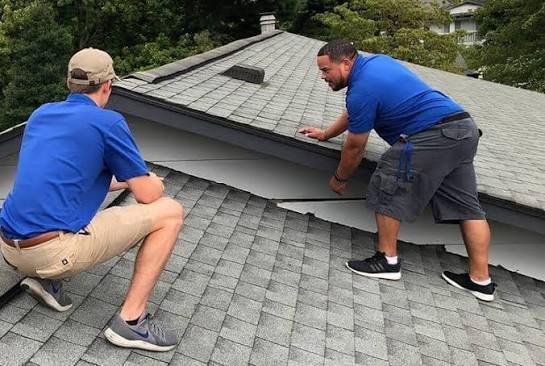
- “Roofer inspecting sagging roofline”
- “Water stain on ceiling from roof leak”