Water is one of those things we hardly notice until it starts causing trouble. Maybe the kettle develops a white coating, the shower glass never seems completely clean, or a glass of tap water tastes a little different than it used to. These are small annoyances, but they can make you wonder whether something about your home’s water needs attention.
The answer isn’t always to install the biggest or most expensive treatment system. Water quality varies between properties, and different problems call for different solutions. Understanding what’s happening first can save money, reduce unnecessary maintenance, and help you choose equipment that genuinely makes daily life easier.
Start by Understanding Your Water
Before comparing products, take a moment to notice what is happening around your home. White deposits on faucets and showerheads may point to hard water. Reddish stains can sometimes be associated with iron, while sediment may appear as visible particles or collect inside fixtures. An unusual taste or odor can have several causes, so it is best not to jump to conclusions.
Water that looks perfectly clear isn’t necessarily free of every unwanted substance. Some concerns can only be identified through appropriate testing. If you receive municipal water, reviewing your supplier’s water-quality report is a useful starting point. Homeowners with private wells generally need a more tailored testing schedule because groundwater conditions can change over time.
A basic test may help establish hardness, pH, or dissolved solids, but it won’t answer every question. If you are concerned about bacteria, lead, nitrates, or another specific contaminant, choose a testing method designed to detect it. A qualified laboratory may be necessary, depending on the situation.
Once you understand the results, you can make a more informed decision about treatment instead of relying on product advertisements or a neighbour’s experience.
When Hard Water Makes Household Chores Harder
Hard water contains higher concentrations of dissolved minerals, particularly calcium and magnesium. These minerals are common in groundwater and are not automatically a sign that water is unsafe. However, they can create persistent problems around the house.
You might notice spots on glassware, scale around the kitchen faucet, or a chalky film on shower doors. Soap may not lather as easily, and mineral deposits can gradually accumulate inside water heaters and appliances. Over time, that buildup may affect equipment performance and increase cleaning or maintenance demands.
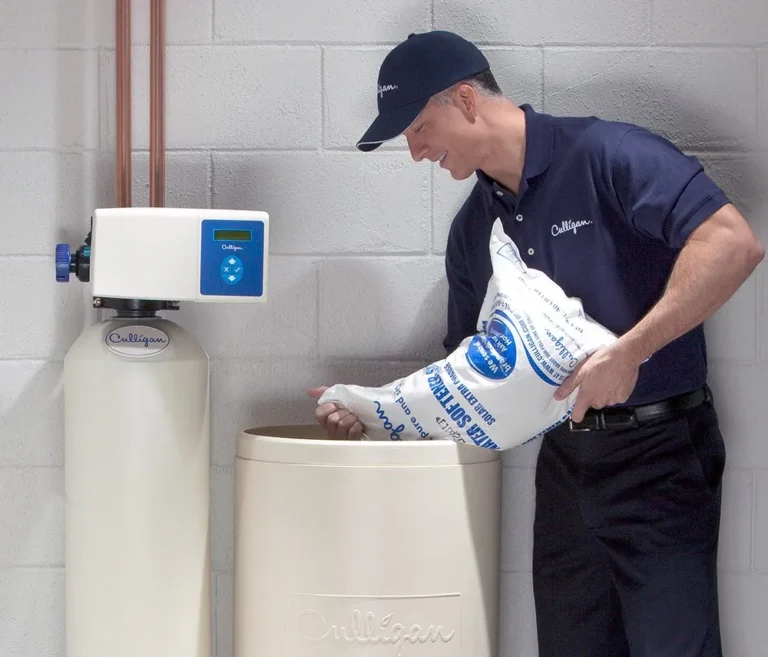
A water softener can help when hardness is the main concern. Conventional ion-exchange softeners remove calcium and magnesium by exchanging them for other ions, commonly sodium. This process can reduce scale formation and make soaps and detergents work more effectively.
Before choosing a unit, consider your household’s water use and the measured level of hardness. An undersized system may regenerate too often, while an unnecessarily large one can add expense without much benefit. Traditional softeners also need periodic regeneration and salt replenishment, so ongoing maintenance should be part of your decision.
It’s important to remember that softening is not the same as purifying water. A softener is designed primarily to address hardness, not to remove every possible contaminant.
Choosing Filtration That Fits Your Home
Not every water problem requires the same equipment. Sediment filters capture particles, while activated carbon can reduce certain tastes, odors, and selected compounds. Other technologies are designed for particular contaminants or treatment needs.
A water filtration system should be selected according to the water test results and the manufacturer’s verified performance claims. Some systems treat water as it enters the property, supplying multiple bathrooms, kitchen taps, and appliances. Others are installed beneath the kitchen sink and treat water primarily for drinking and cooking.
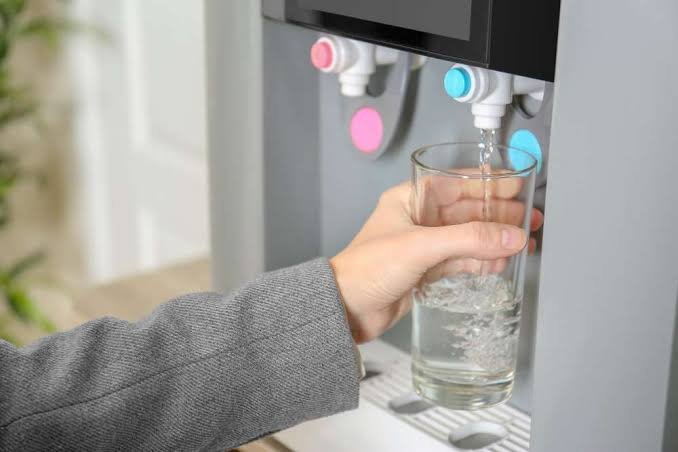
Whole-home filtration may make sense when the concern affects several fixtures. Point-of-use filtration can be more practical if your main goal is to improve drinking-water taste at one tap. Neither option is automatically better for every household; the choice depends on what needs to be treated.
Think about installation space, water pressure, flow rate, and filter replacement costs, too. A filter that performs well in a small kitchen may not be suitable for a home with several bathrooms and high simultaneous water demand.
Ask a provider to explain what the equipment reduces and what it does not. Independent certifications and clear product documentation are more useful than simply counting the number of filtration stages.
What Reverse Osmosis Can Offer
Some households want additional treatment for drinking water, particularly when testing identifies dissolved substances that a conventional filter may not adequately reduce. In those situations, a reverse osmosis drinking water system may be worth considering.
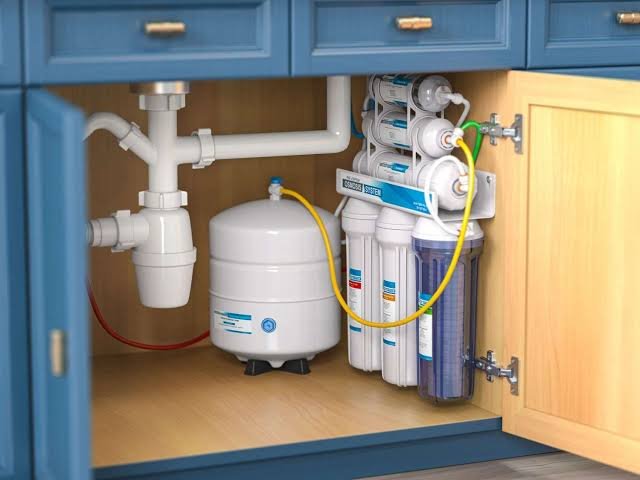
Reverse osmosis uses pressure to move water through a semipermeable membrane that reduces many dissolved substances. Depending on the model and its verified performance, the system may reduce certain salts, metals, and other specified contaminants. Performance varies, so check the product’s documentation for the substances you want to address.
Many under-sink systems include prefilters, a membrane, and sometimes a post-filter to improve taste. Some use a storage tank, while others operate without one. Before installation, check the available cabinet space, required water pressure, drainage arrangements, and expected output.
There are trade-offs. Conventional reverse osmosis systems can send some water to the drain during production, and the filters and membrane need replacement according to the manufacturer’s schedule. These ongoing costs are worth considering before making a purchase.
Reverse osmosis isn’t necessary for every home. If testing shows that a simpler filter can address your concern, a more complex system may offer little additional value.
Installation and Maintenance Matter
Even good equipment needs proper installation and regular care. Connections should be secure, leaks checked, and manufacturer flushing instructions followed before the system is used. If the work involves plumbing modifications or electrical connections, professional installation may be the sensible option.
Maintenance is just as important. Filters gradually become exhausted, softeners require attention, and reverse osmosis membranes have a limited service life. Keep a record of installation dates, filter changes, and service visits. A simple reminder on your phone can prevent a missed replacement from turning into a bigger problem.
Pay attention to changes in taste, pressure, odor, or scale buildup. These signs don’t always mean the treatment system has failed, but they may indicate that servicing or further testing is needed.
Make a Decision You Can Feel Good About
Choosing water treatment doesn’t need to become a complicated home improvement project. Start with reliable information, identify the problem, and compare equipment based on its documented performance, installation needs, and long-term costs.
Be cautious of promises that one device can solve every water-quality concern. A trustworthy recommendation should explain why a particular system suits your water and what maintenance it will require.
The best solution is the one that addresses your household’s actual needs without adding unnecessary complexity. With the right assessment and consistent care, you can make everyday water use more convenient and feel more confident about the system working quietly behind the scenes.