Water is one of those things we tend to overlook until it starts causing trouble. You turn on the kitchen tap and notice an unusual taste. White marks appear on your shower glass, your kettle develops a stubborn layer of scale, or your water heater seems to need attention more often than it should. These little inconveniences can add up, leaving homeowners wondering whether their water could be better.
The answer often depends on understanding what’s actually in the water and choosing equipment that addresses the problem. There’s no single treatment system that works perfectly for every property. Some households need help managing hard water, others want better-tasting drinking water, and some need a broader approach to filtration. Getting the basics right can save money, reduce frustration, and make everyday water use more comfortable.
Understanding Water Quality Before Buying Equipment
Before choosing a treatment system, take time to identify your main concern. Water hardness, sediment, taste, odor, and dissolved contaminants are different issues, even though they can sometimes occur together.
Hard water contains minerals such as calcium and magnesium. These minerals can leave deposits on faucets, reduce soap lather, and accumulate inside appliances. Sediment consists of particles suspended in water, while taste and odor concerns may be associated with chlorine or other substances, depending on the source.
A local water supplier’s quality report can provide a useful overview if your home receives municipal water. For a private well or a specific contamination concern, laboratory testing may be necessary. Testing helps determine whether you need filtration, softening, or another type of treatment.
It’s easy to assume that expensive equipment must be better, but that isn’t always true. A small household with a minor taste concern may need a simple drinking water filter rather than a complex whole-property system. On the other hand, a large home with persistent scale buildup may benefit from a different combination of equipment.
Start with the problem. The equipment comes later.
Why Local Conditions Matter
Water quality can vary considerably between communities, even within the same state. Water sources, mineral concentrations, distribution infrastructure, and seasonal conditions all influence the treatment options worth considering.
For homeowners in san diego county, understanding local water conditions can be particularly useful when comparing filtration and softening systems. Some households may be mainly concerned about mineral deposits, while others want to improve the taste of drinking water or reduce specific substances. The right recommendation should be based on the property’s water quality and the household’s priorities, not simply on what another homeowner purchased.
A knowledgeable water treatment provider should be able to explain the available options without making the process feel intimidating. Ask what a system is designed to reduce, what it cannot remove, and how its performance has been tested. Clear answers are far more valuable than broad promises about making water completely pure.
It’s also worth considering the property itself. Plumbing age, water pressure, available installation space, and daily demand can affect system selection. An option that works beautifully in one home might be impractical in another.
Finding the Right Balance in Desert Communities
Water management can become especially important in areas where environmental conditions and water sources present distinct challenges. Mineral content, household demand, and the intended use of treated water should all be considered before equipment is installed.
In the imperial valley, a water quality assessment can help residents understand whether their main concern involves hardness, taste, sediment, or another issue. Local conditions shouldn’t be treated as identical from one property to the next. Municipal supplies, private wells, and building plumbing can produce different circumstances that require different approaches.
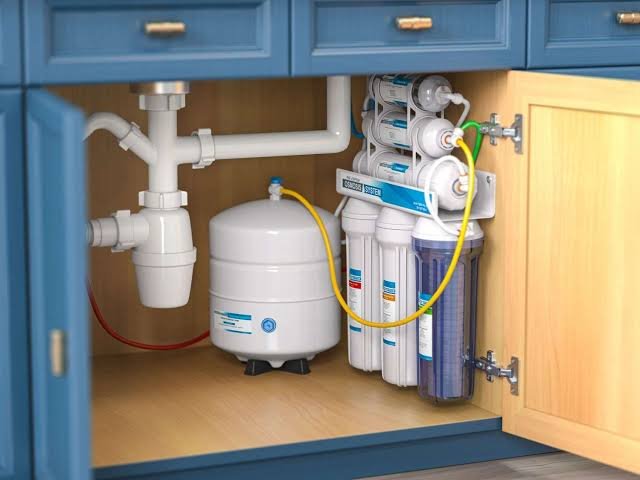
Several treatment technologies may be worth considering. Sediment filters capture suspended particles, while activated carbon filters can improve certain taste and odor issues and reduce selected contaminants when the product is tested for those purposes. Reverse osmosis systems can reduce a range of dissolved substances, depending on their design and certified capabilities.
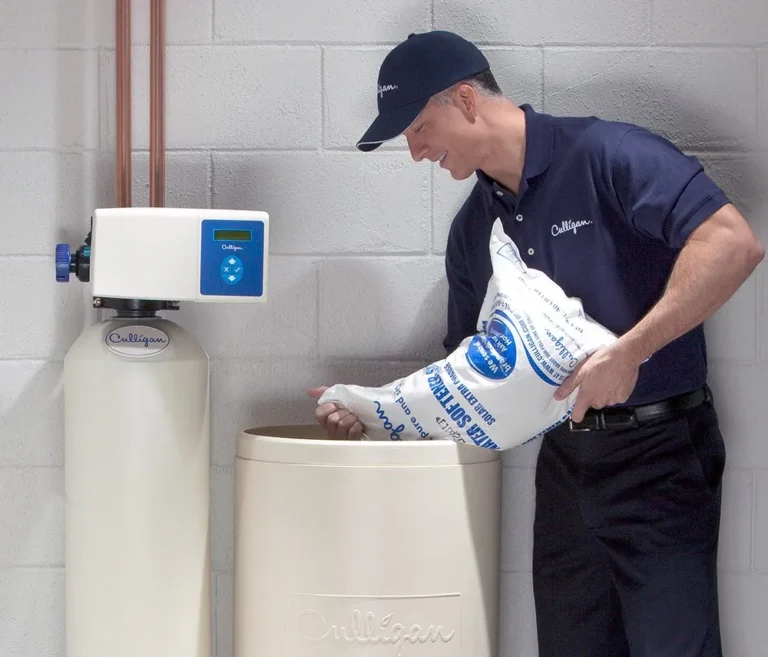
Water softeners serve a different role. Most conventional models use ion exchange to reduce calcium and magnesium, helping limit scale formation in pipes and appliances. They don’t automatically remove every unwanted substance, so a separate filtration system may be appropriate if drinking water quality is also a concern.
The aim isn’t to install every available technology. It’s to select the smallest, most suitable combination that addresses the actual water quality issues.
Improving Drinking Water Without Overcomplicating Things
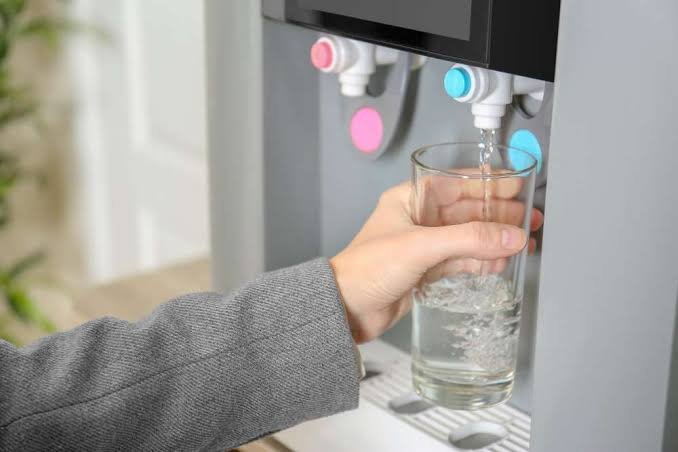
For many households, the kitchen tap is where water concerns become most noticeable. People may dislike the taste, prefer the convenience of filtered water, or want additional reduction of particular contaminants.
Under-sink filters can provide a practical option for drinking and cooking water. Some use activated carbon, while others combine several filtration stages. Reverse osmosis systems use a semipermeable membrane to reduce many dissolved substances, although their performance varies by model.
Before purchasing a drinking water system, check its documented capabilities. Independent certifications can help verify specific performance claims, but the exact standard matters. A filter certified for taste and odor improvement isn’t automatically certified to reduce every other contaminant.
Think about everyday convenience, too. Will replacement filters be easy to find? Does the unit need electricity? How much water does it discharge during operation? Can the system supply enough water for your family’s needs?
These questions may not sound exciting, but they make a difference once the equipment becomes part of your routine. A system that’s easy to maintain is more likely to provide dependable service over time.
Choosing a Provider Who Offers Ongoing Support
Good equipment is only part of the equation. Installation quality, maintenance, and access to replacement parts all influence how well a treatment system performs.
When comparing companies, request an itemized estimate that explains equipment costs, installation labor, and any optional upgrades. Ask about warranty coverage, routine servicing, and the expected cost of consumables. If a provider recommends several treatment stages, ask why each one is necessary.
Residents in orange county may want to compare providers by looking beyond online ratings. Reviews that mention punctuality, clear communication, and reliable follow-up service can offer useful insight. It’s also sensible to confirm that the company covers your address before scheduling an assessment.
Be cautious of anyone who claims that one system can remove every possible contaminant or insists that you must purchase equipment immediately. A responsible provider should explain the evidence behind a recommendation and give you enough information to make a considered decision.
Once your system is installed, follow the manufacturer’s maintenance instructions. Filters need replacement, some equipment requires periodic cleaning, and changes in water pressure or taste may signal that an inspection is needed. Keeping a simple record of service dates can prevent important tasks from slipping through the cracks.
Making a Decision That Pays Off Over Time
Water treatment is most effective when it’s approached as a practical investment rather than an emergency purchase. Begin with reliable information, test the water when appropriate, and compare systems according to their actual capabilities.
Look at long-term costs as well as the initial price. Filter replacements, professional servicing, electricity, and water consumption can all affect the total expense. A slightly more expensive system may offer better value if it’s easier to maintain and suited to your household’s needs.
Ultimately, better water doesn’t necessarily require the biggest or most advanced equipment. It requires a clear understanding of what needs improvement and a sensible plan for addressing it.
With thoughtful research, realistic expectations, and regular maintenance, homeowners can reduce everyday water-related frustrations and protect their equipment. It’s a small investment in the background of daily life, but when the water tastes better, the fixtures stay cleaner, and the system works as expected, the benefits become easy to appreciate.