Walk into any electronics store and you’ll find a wall of security cameras, all claiming to be the best option. Most people end up picking based on price alone, which honestly isn’t the smartest way to make this decision.
Knowing how to choose a security camera properly means understanding a handful of specs that actually matter for your specific home, not just going with whatever’s on sale.
What Should You Actually Prioritise When Choosing a Camera?
Quick answer: When learning how to choose a security camera, prioritise resolution (at least 1080p), field of view, night vision quality, and storage options over brand name alone — these factors determine real-world usefulness far more than marketing claims.
1. Indoor vs Outdoor Cameras
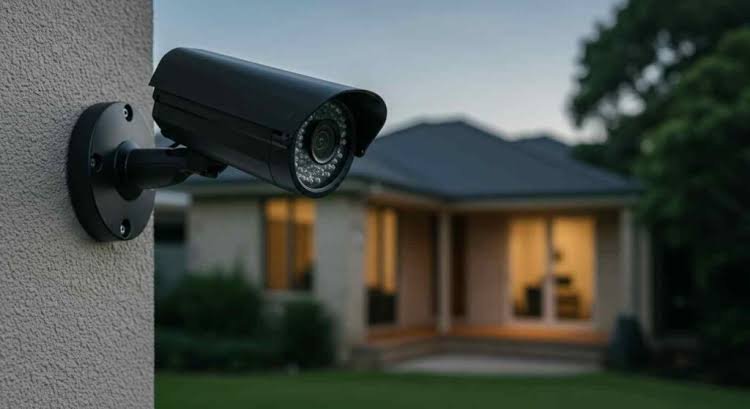
Outdoor cameras need weatherproofing (look for an IP65 rating or higher) and typically cost more than indoor-only models. Don’t use an indoor camera outside expecting it to survive monsoon exposure — it genuinely won’t last.
2. Resolution Matters More Than You’d Think
A 1080p camera is the practical minimum for identifiable footage. Lower resolution options are cheaper but often produce footage too blurry to be useful in an actual incident — defeating the entire purpose of having a camera.
3. Field of View and Placement
- Wide-angle cameras (130°+) cover more area with fewer units needed
- Corner placement typically captures more useful footage than wall-center placement
- Entry points (main door, back door, ground floor windows) should be prioritised over interior rooms
Quick answer: For most homes, prioritising camera placement at entry points — main door, back door, ground-floor windows — provides more security value than covering every interior room, since these are the most common access points for intrusion.
4. Night Vision Quality
Most cameras claim night vision, but quality varies significantly. Look specifically for infrared range specifications — cameras with 10-15 metre effective night range genuinely perform better than budget options claiming vague “night vision” without specifics.
5. Storage Options: Cloud vs Local
- Cloud storage: convenient, accessible remotely, but comes with monthly subscription costs
- Local SD card storage: one-time cost, no subscription, but vulnerable if the camera itself is stolen or damaged
- Hybrid options: some cameras offer both, giving redundancy
6. WiFi Reliability and Camera Connectivity
Check your home’s WiFi coverage at the planned camera location before purchasing. A camera in a dead zone with weak signal will drop connection frequently, making footage unreliable exactly when you need it most.
7. Motion Detection and Alert Accuracy
Cheaper cameras often have poor motion detection, triggering false alerts from moving shadows or small animals. Better models use more sophisticated detection, distinguishing between actual movement of concern and irrelevant triggers.
8. Budget Ranges to Expect
Entry-level indoor cameras start around ₹1,500-₹3,000. Mid-range outdoor cameras with good night vision and weatherproofing run ₹3,500-₹7,000. Premium options with advanced AI detection features can exceed ₹10,000 per unit.
FAQs
Q: How many security cameras does a typical home need? For most homes, 2-4 cameras covering main entry points provide solid coverage without unnecessary overspending on interior room monitoring.
Q: Is cloud storage necessary for a home security camera? Not necessarily — local SD card storage works well for most homeowners and avoids ongoing subscription costs.
Q: What resolution is good enough for identifying faces on camera footage? 1080p is generally sufficient for face identification at reasonable distances; 4K offers more detail but requires significantly more storage.
Q: Do outdoor security cameras work well during monsoon season? Yes, if properly rated for weather resistance (IP65 or higher) — check this specification before purchasing for outdoor use.
Q: Can security cameras be hacked, and how do I prevent this? Yes, poorly secured cameras can be vulnerable — always change default passwords and keep firmware updated to reduce this risk.
Conclusion
Learning how to choose a security camera properly means looking past marketing claims and focusing on resolution, placement, night vision quality, and storage options that genuinely fit your home. Prioritise entry points first, and don’t assume the most expensive option is automatically the best fit for your specific needs. [link to related guide on smart door locks vs traditional locks here]
Alt text suggestions:
- “Outdoor weatherproof security camera installed near main entrance”
- “Home security camera with night vision capturing entry point”
- “Homeowner checking security camera app on smartphone”