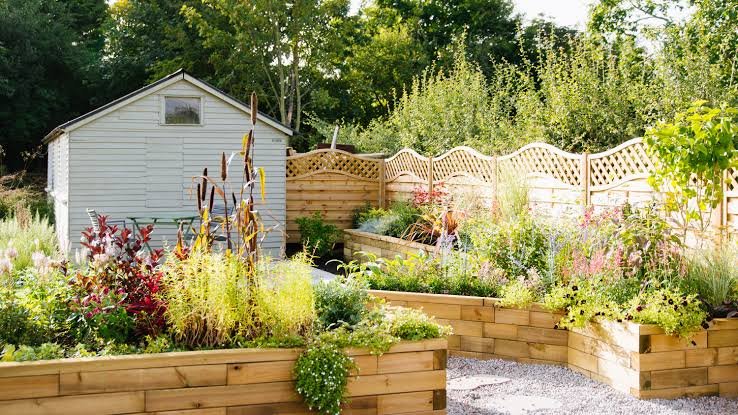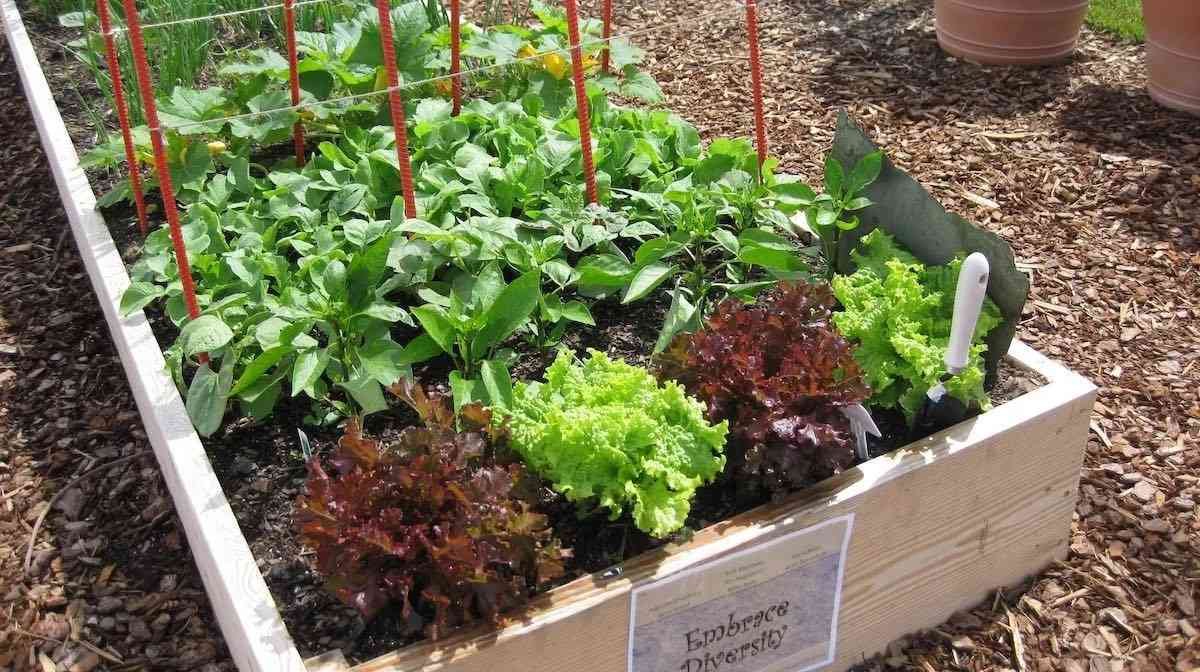
You don’t need a farm’s worth of land to grow a genuinely useful vegetable patch. A well-planned small backyard vegetable garden can produce more than people expect, as long as you pick the right crops for limited space. Some vegetables are simply better suited to small plots or containers than others — this guide covers the ones that actually deliver.
Why Vegetable Choice Matters More Than Space Size
Featured snippet: In a small backyard vegetable garden, choosing compact, high-yield crops matters more than the actual square footage available — vertical growers like tomatoes and beans, and continuous producers like leafy greens, consistently outperform space-hungry crops like pumpkins or corn.
Tomatoes
Tomatoes are one of the best returns on space for a small backyard vegetable garden — grown vertically with a stake or cage, a single plant can produce for months in the right climate.
- Cherry tomato varieties are especially productive in small spaces
- Staking keeps plants upright and saves ground space
- Regular watering matters more than a large planting area here
Leafy Greens
Spinach, lettuce, and similar greens grow quickly, take up minimal space, and can be harvested repeatedly without replanting the whole crop each time — often called “cut and come again” varieties.
Chillies and Peppers
These do well in containers, need relatively little space per plant, and produce continuously over the growing season. A few pepper plants in pots along a wall or fence can produce a surprising amount.
Herbs
Coriander, mint, and basil take up very little room and are used often enough in daily cooking that they make excellent use of small garden or windowsill space. Mint especially spreads fast — worth keeping in its own container to stop it taking over.
Featured snippet: Herbs like mint, coriander, and basil are among the highest-value additions to a small backyard vegetable garden, since they take up minimal space while being used frequently in everyday cooking, unlike bulkier vegetables that require more room for a comparable yield.
Beans
Climbing beans grow vertically along a trellis or fence, meaning they produce a large yield relative to the ground space they occupy — a genuinely efficient choice for small plots.
Radishes
Radishes mature quickly, sometimes in under a month, and take up very little space. They’re a good crop for filling in gaps between slower-growing vegetables.
What to Avoid in a Small Space
Pumpkins, watermelons, and corn need significant room to spread or grow tall in numbers, making them a poor fit for most small backyard setups unless space genuinely isn’t a constraint.
Using Containers to Maximise Space
If ground space is limited or nonexistent, containers on a balcony or patio can grow most of the vegetables listed above just as effectively, provided pot size and drainage are adequate.
FAQ
Q: What vegetables grow best in a small backyard garden? Tomatoes, leafy greens, chillies, herbs, and climbing beans consistently perform well in limited space.
Q: Can I grow vegetables in containers instead of the ground? Yes, most compact vegetables and herbs do well in containers, as long as pot size and drainage are appropriate.
Q: How much sunlight do vegetables typically need? Most vegetables need at least 6 hours of direct sunlight daily, though leafy greens can tolerate slightly less.
Q: What’s the fastest-growing vegetable for a small garden? Radishes are among the quickest, often ready to harvest in under a month from planting.
Q: Should I avoid growing certain vegetables in a small space? Space-hungry crops like pumpkins, watermelons, and corn are generally not practical unless you have significant available space.
Q: How often should a small vegetable garden be watered? This depends on climate and crop, but most vegetables need consistent moisture, roughly every 1-2 days in warmer weather, adjusted for rainfall.
Conclusion
A productive small backyard vegetable garden isn’t about how much land you have — it’s about choosing crops that make the most of what you’ve got. Prioritise vertical growers like tomatoes and beans, fast producers like leafy greens and radishes, and space-efficient herbs. Even a modest plot or a handful of containers can supply a genuinely useful amount of fresh produce through the season.
Suggested image alt text:
- “Staked tomato plants in small backyard garden”
- “Container herb garden on patio”
- “Climbing beans growing on trellis fence”