Not everyone has a spare few hours every weekend to fuss over a garden, and honestly, that’s fine. Good low-maintenance garden ideas aren’t about giving up on a nice-looking yard — they’re about choosing the right plants and layout so the garden mostly takes care of itself. I’ve redone my own garden twice chasing this exact goal, and the third attempt finally stuck because I stopped fighting the plants that needed constant attention.
Choose Native and Drought-Tolerant Plants
Featured snippet: The foundation of any low-maintenance garden is choosing native or drought-tolerant plants suited to the local climate — these need less watering, less feeding, and are naturally more resistant to local pests than exotic species.
Native plants have already adapted to your local rainfall and soil, so they simply need less babying than imported varieties that look nice in a catalogue but struggle in real conditions.
Group Plants by Watering Needs
- Cluster high-water plants together near a tap or irrigation point
- Keep drought-tolerant plants in a separate zone that gets watered less often
- This “zoning” alone can cut watering time significantly compared to a scattered layout
Use Mulch Generously
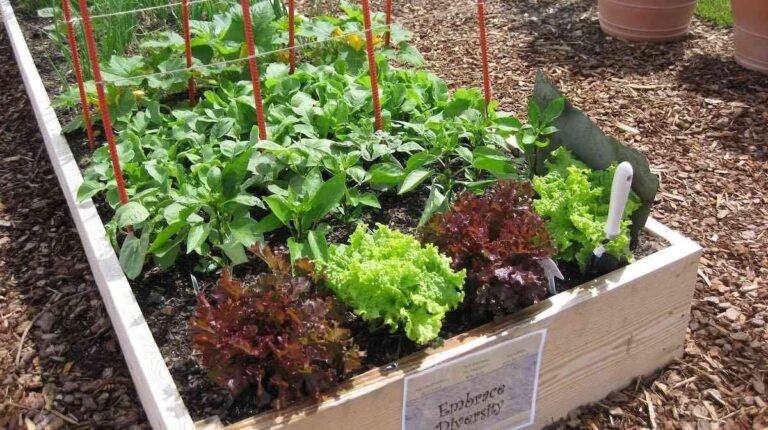
A good layer of mulch — wood chips, dried leaves, or gravel depending on the look you want — suppresses weeds and retains soil moisture, meaning less weeding and less watering. It’s one of the cheapest changes that makes the biggest difference.
Pick Perennials Over Annuals
Annuals need replanting every season. Perennials come back year after year with minimal input beyond occasional pruning. For a low-maintenance garden, leaning heavily toward perennials saves a surprising amount of recurring effort.
Install a Simple Drip Irrigation System
Even a basic drip irrigation setup on a timer removes the daily “did I water the plants” mental load. It’s a modest upfront cost that pays off in saved time practically every week after.
Featured snippet: A basic drip irrigation system on a timer is one of the highest-impact low-maintenance garden ideas, since it removes daily watering as a manual task entirely while actually using water more efficiently than hand-watering.
Reduce Lawn Area
Lawns are one of the highest-maintenance elements of most yards — regular mowing, edging, and watering. Replacing part of the lawn with groundcover plants, gravel pathways, or a mulched bed cuts down significantly on weekly upkeep.
Choose Slow-Growing Plants and Shrubs
Fast-growing plants look great initially but demand frequent pruning to stay in shape. Slow-growing shrubs and trees need far less trimming over the years, which matters more the longer you live in a home.
Add Hardscaping Elements
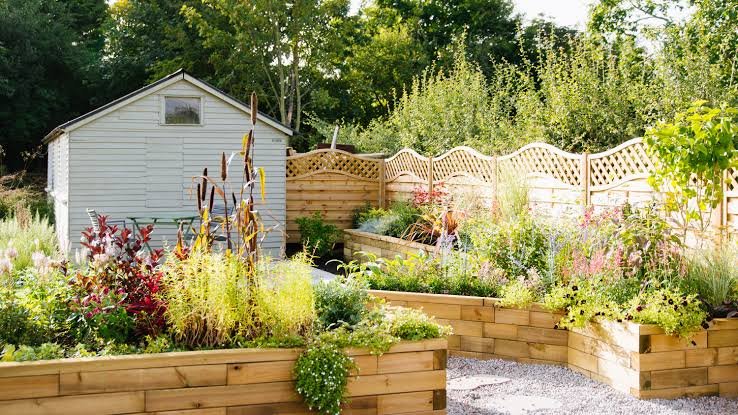
Gravel paths, stone borders, and paved seating areas don’t need watering, weeding, or mowing at all. Balancing planted areas with hardscaping reduces total maintenance while still keeping the garden visually interesting.
FAQ
Q: What are the easiest plants for a low-maintenance garden? Succulents, native shrubs, and drought-tolerant perennials suited to your specific climate are generally the easiest to maintain.
Q: Does a low-maintenance garden mean a boring garden? Not at all — with good plant grouping and some hardscaping variety, low-maintenance gardens can look just as interesting as high-upkeep ones.
Q: How much time does a low-maintenance garden actually save? It varies, but many homeowners report cutting weekly garden upkeep by half or more after switching to drought-tolerant plants and mulching.
Q: Is drip irrigation worth installing for a small garden? Yes, even small gardens benefit from the consistency and water efficiency drip irrigation provides over manual watering.
Q: Should I remove my lawn entirely for a low-maintenance yard? Not necessarily — reducing lawn area rather than eliminating it entirely often strikes a good balance between usability and reduced upkeep.
Q: How often do perennials need attention compared to annuals? Perennials typically need only seasonal pruning and occasional feeding, compared to annuals, which require full replanting each season.
Conclusion
A genuinely low-maintenance garden comes down to smart plant choices, sensible layout, and a bit of hardscaping to balance things out. Start by grouping plants with similar watering needs, mulch heavily, and lean toward native perennials over demanding annuals. The upfront planning takes a bit of thought, but the payoff is a garden that still looks good without eating your entire weekend.
Suggested image alt text:
- “Drought-tolerant garden with mulched beds and native plants”
- “Drip irrigation system installed among garden beds”
- “Gravel pathway bordered by low-maintenance shrubs”