Not every leak announces itself with a puddle on the floor. Some of the most damaging leaks happen behind walls or under flooring, quietly causing damage for weeks or months before anyone notices anything visibly wrong.
Learning to spot the signs of a hidden water leak early can save you from a repair bill that’s far bigger than it needed to be, plus the headache of mould and structural damage.
What Are the Clearest Signs of a Hidden Water Leak?
Quick answer: The clearest signs of a hidden water leak include an unexplained increase in your water bill, a musty smell without visible mould, warm spots on the floor (indicating a hot water pipe leak), and the sound of running water when all taps are off.
1. Unexplained Increase in Water Bill
If your water bill has jumped noticeably without a corresponding change in usage habits, that’s genuinely one of the most reliable early indicators of a hidden leak somewhere in the system.
2. Musty or Damp Smell Without Visible Cause
A persistent musty odour, particularly in a specific area of the home, often points to hidden moisture even before visible mould or staining appears on walls or ceilings.
3. Sound of Running Water
Quick answer: If you hear running water sounds when every tap and appliance is turned off, this typically indicates a leak somewhere within your home’s plumbing system, and it’s worth investigating immediately rather than dismissing it.
4. Warm Spots on Flooring
For homes with hot water pipes running under flooring, an unexplained warm patch on an otherwise cool floor often indicates a leaking hot water line beneath the surface.
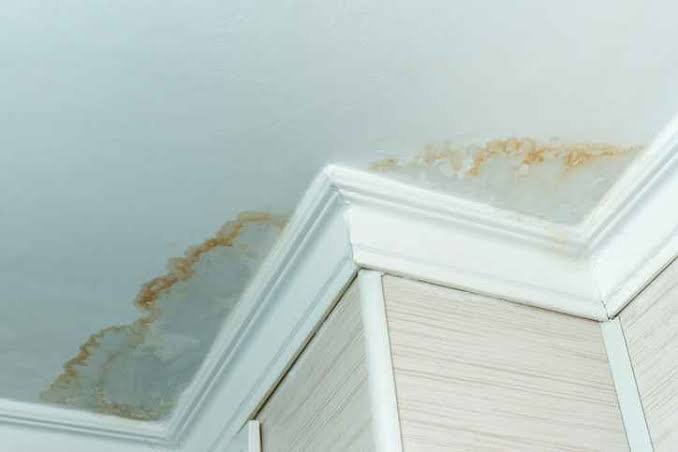
5. Discoloration or Peeling on Walls and Ceilings
- Yellow or brown staining, even faint, suggests water intrusion
- Peeling paint or wallpaper in a specific localized area
- Bubbling or warping of wall surfaces near suspected plumbing lines
6. Mould Growth in Unusual Locations
Mould appearing in areas without obvious moisture sources — behind furniture, in closets, along baseboards — often traces back to a hidden leak providing the consistent moisture mould needs to establish itself.
7. Foundation Cracks or Shifting
Quick answer: Persistent hidden leaks near a home’s foundation can, over extended periods, contribute to soil erosion and minor foundation shifting, making new or worsening cracks in walls near ground level worth investigating as a potential leak indicator.
8. How to Check for a Leak Yourself
- Turn off all taps and water-using appliances
- Check your water meter reading, then wait 2 hours without using any water
- Check the meter again — any movement indicates an active leak somewhere in the system
Where Hidden Leaks Most Commonly Occur
- Under kitchen and bathroom sinks, in the connecting pipes
- Behind walls where pipes run through, particularly at joints
- Under flooring, for homes with underfloor plumbing
- Around toilet base connections, often slow and easy to miss
When to Call a Professional Leak Detection Service
If you’ve confirmed a leak exists through the meter test but can’t visually locate it, professional leak detection services use specialized equipment — acoustic sensors, thermal imaging — to pinpoint the exact location without unnecessary wall or floor damage during the search.
FAQs
Q: How can I tell if my water bill increase is from a leak or just higher usage? Compare the increase against your household’s actual water usage changes; an increase without a corresponding lifestyle change strongly suggests a leak.
Q: Can a hidden leak cause health problems? Yes, prolonged hidden moisture often leads to mould growth, which can cause respiratory issues and allergic reactions in sensitive individuals.
Q: How much water can a small hidden leak actually waste? Even a small, consistent leak can waste hundreds of litres monthly, significantly impacting your water bill over time.
Q: Is the water meter test a reliable way to detect a leak? Yes, it’s one of the most reliable DIY methods — any meter movement during a period of zero water usage confirms an active leak somewhere in the system.
Q: How much does professional leak detection typically cost? Generally ₹2,000-₹6,000 depending on the complexity and the detection technology required, though this is often far less than the cost of undetected damage.
Conclusion
Catching the early signs of a hidden water leak — bill spikes, musty smells, unusual sounds — genuinely saves significant money and prevents structural or mould-related damage down the line. If the water meter test confirms a leak you can’t locate visually, don’t hesitate to bring in professional leak detection rather than guessing and potentially damaging walls unnecessarily. [link to related guide on water heater maintenance here]
Alt text suggestions:
- “Water meter being checked for leak detection test”
- “Discolored ceiling patch indicating hidden water leak”
- “Professional using thermal imaging for leak detection”