Water heaters are one of those appliances people genuinely ignore until the shower suddenly runs cold. I’ve been there myself — assumed mine would just keep working indefinitely without any attention, until sediment buildup started causing inconsistent heating.
A proper approach to water heater maintenance isn’t complicated, but it does need to happen regularly rather than only after something goes visibly wrong.
How Often Does a Water Heater Actually Need Maintenance?
Quick answer: Most water heaters need annual flushing to remove sediment buildup, along with periodic checks of the thermostat, pressure relief valve, and anode rod — following this water heater maintenance routine can extend the unit’s lifespan by several years.
1. Annual Tank Flushing
Sediment accumulates at the bottom of storage-type water heaters over time, particularly in areas with hard water. This reduces heating efficiency and can eventually damage the tank. Draining and flushing the tank annually removes this buildup.
2. Checking the Pressure Relief Valve
Quick answer: The pressure relief valve prevents dangerous pressure buildup inside the tank, and testing it annually by lifting the lever briefly ensures it’s functioning properly — a stuck or faulty valve is a genuine safety concern, not just a maintenance nicety.
3. Inspecting the Anode Rod
For storage-type heaters, the anode rod prevents tank corrosion by attracting corrosive elements instead of the tank itself. Check it every 2-3 years, replacing it when significantly corroded, since a depleted anode rod leaves your tank vulnerable to rust and leaks.
4. Setting the Right Temperature
Most water heaters are set higher than necessary by default. Setting the thermostat to around 50-55°C provides comfortable hot water while reducing energy consumption and mineral scaling compared to higher settings.
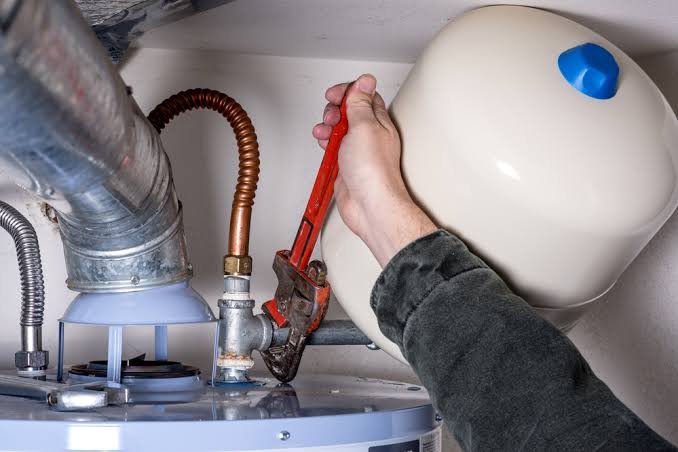
5. Checking for Leaks Around Connections
- Inspect fittings and connections periodically for any moisture or corrosion
- Check the base of the unit for any pooling water, indicating a possible tank leak
- Address even minor leaks promptly, since they often indicate developing tank issues
6. Insulating the Tank and Pipes
Adding insulation to the water heater tank and connected pipes reduces heat loss, meaning the unit works less to maintain temperature — a simple change that genuinely reduces energy costs over time.
7. Signs Your Water Heater Needs Professional Attention
- Inconsistent or fluctuating water temperature despite thermostat settings
- Unusual noises — rumbling or popping sounds indicate significant sediment buildup
- Discoloured water coming from hot taps specifically
- Visible rust or corrosion on the tank exterior
8. Tankless vs Storage Water Heater Maintenance Differences
Tankless water heaters need different maintenance — primarily periodic descaling of the heating element, particularly in hard water areas, rather than the sediment flushing storage tanks require. They generally need less frequent major maintenance overall.
Extending Your Water Heater’s Lifespan
Quick answer: With consistent annual flushing, anode rod checks, and prompt attention to minor issues, a storage-type water heater can last 10-15 years, compared to 6-8 years for units that receive no regular maintenance at all.
FAQs
Q: How often should I flush my water heater tank? Annually is the general recommendation, though homes with particularly hard water may benefit from flushing every 6-8 months.
Q: What temperature should my water heater be set to? Around 50-55°C balances comfortable hot water delivery with energy efficiency and reduced mineral scaling.
Q: Is it normal for a water heater to make noise? A slight hum is normal, but rumbling or popping sounds usually indicate sediment buildup requiring flushing.
Q: How do I know if my water heater’s anode rod needs replacing? Visual inspection every 2-3 years is recommended; significant corrosion or a rod reduced to less than half its original diameter indicates replacement time.
Q: Does insulating my water heater tank really save money? Yes, particularly for units in unheated spaces, since reduced heat loss means the heater cycles less frequently to maintain temperature.
Conclusion
Regular water heater maintenance — annual flushing, checking the pressure relief valve, monitoring the anode rod — genuinely extends your unit’s functional lifespan and keeps it running efficiently. It’s a task that’s easy to forget about until something goes wrong, but a bit of yearly attention saves both money and the inconvenience of unexpected cold showers. [link to related guide on signs of hidden water leak here]
Alt text suggestions:
- “Homeowner flushing sediment from water heater tank”
- “Pressure relief valve being tested on storage water heater”
- “Anode rod inspection during annual water heater maintenance”