Most people don’t think much about their household water until it starts causing trouble. Maybe the shower door is covered in white spots again, the kettle has developed a crusty layer inside, or the soap seems to disappear before it can make a decent lather. None of these things necessarily signals a serious problem, but they can make everyday chores more frustrating than they need to be.
Water quality affects more than what’s in your drinking glass. It can influence cleaning, laundry, plumbing maintenance, and the performance of household appliances. The good news is that understanding the problem often makes it easier to choose a sensible solution without spending money on equipment you don’t really need.
Recognizing the Signs of Hard Water
Hard water contains elevated levels of dissolved minerals, particularly calcium and magnesium. These minerals occur naturally in many water sources, and their concentration varies depending on local geology and the water supply.
You may notice the effects gradually. White deposits appear around faucets, glassware develops spots after washing, and showerheads become clogged with mineral buildup. Soap may leave a film on bathroom surfaces, while towels sometimes feel rough even after a normal wash. It’s the sort of thing that makes you wonder why cleaning never seems to stay finished.
For households dealing with these issues, water softeners can help reduce hardness by removing calcium and magnesium through an ion-exchange process. Conventional systems replace hardness minerals with sodium or, in some cases, potassium ions. This can reduce scale formation and help soap work more effectively.
Still, softening isn’t the answer to every water-quality concern. A softener is designed primarily to address hardness; it doesn’t automatically remove bacteria, lead, or every other unwanted substance. Testing the water first helps determine whether a softener is appropriate and whether any additional treatment may be needed.
Why Testing Should Come Before Buying Equipment
It’s tempting to choose a system based on a neighbor’s recommendation or an online review. Sometimes that advice is useful, but water conditions can differ considerably between properties, even when the houses are close together.
A water test provides a more reliable starting point. Depending on the source and the concerns involved, testing may examine hardness, pH, iron, manganese, dissolved solids, or specific contaminants. Municipal water customers can begin by reviewing their supplier’s published water-quality report. Private well owners should follow local guidance for testing because well conditions can change with rainfall, flooding, nearby land use, and other environmental factors.
Pay attention to what a test actually measures. A basic hardness check can confirm mineral-related concerns, but it cannot establish that water is free from bacteria or other health-related contaminants. If you’re worried about a particular substance, use an appropriate testing method and consider a certified laboratory.
Once you have the results, compare treatment options with a clearer understanding of what needs to change. This simple step can prevent the disappointment of installing an expensive system that doesn’t address the original problem.
Keeping Drinking Water Convenient
Some households prefer to focus on drinking and cooking water rather than treating every tap in the property. That can be a practical choice, especially when the main concern is taste, odor, or a specific dissolved substance.
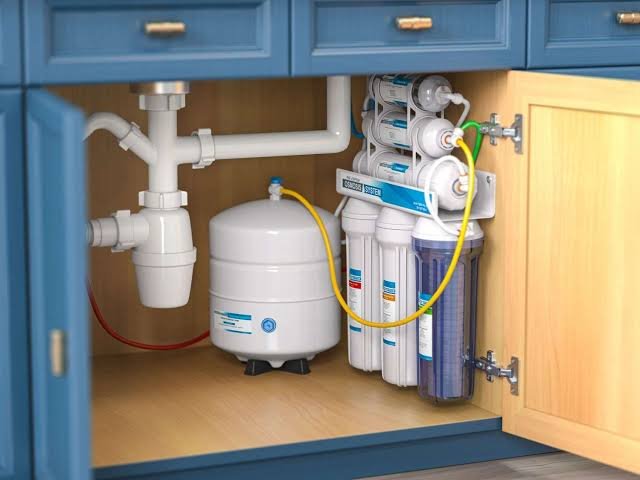
A point-of-use filter installed beneath the kitchen sink may reduce certain unwanted tastes and odors, depending on its design and certification. Reverse osmosis systems can reduce many dissolved substances when selected for the relevant contaminants. Neither technology should be assumed to remove everything, so checking the manufacturer’s performance claims is important.
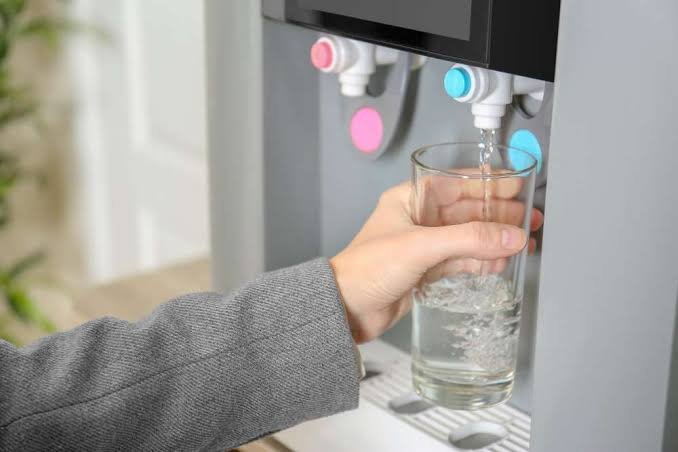
For people who prefer not to rely entirely on their home’s drinking-water setup, bottled water delivery may provide another convenient option. Having water delivered can be useful for busy households, offices, or places where carrying heavy containers from a store is inconvenient. Before choosing a service, compare the delivery schedule, container sizes, storage requirements, return policies, and total ongoing cost.
It’s also worth considering the practical side of bottled water. Containers need somewhere to go, deliveries require coordination, and reusable bottles or dispensers need regular cleaning. For some households, delivery is a good fit; for others, a properly selected filtration system may be easier to manage over time.
The Small Details That Keep a Softener Working
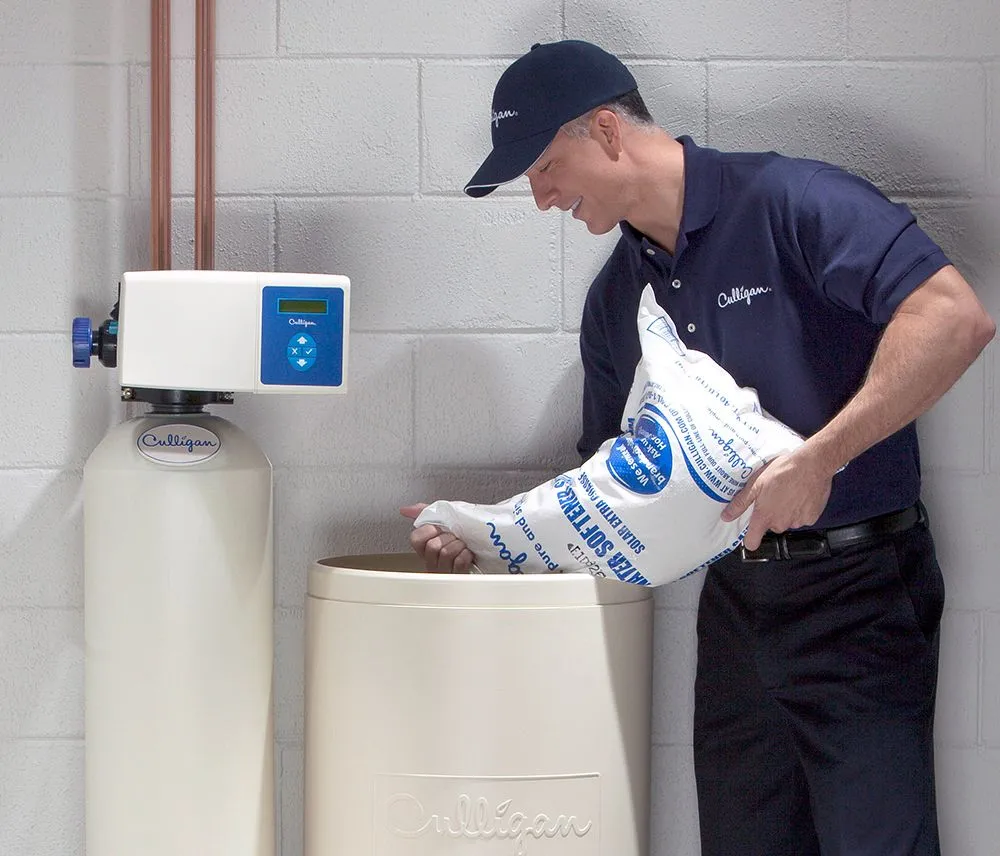
Installing a softener is only the beginning. Conventional salt-based systems periodically regenerate to restore their ability to remove hardness minerals. That process generally requires salt, and the amount used depends on the system, water hardness, and household consumption.
Checking the salt level every so often is a simple habit that can prevent avoidable interruptions. You don’t necessarily need to inspect it every day, but it’s wise to follow the manufacturer’s guidance and avoid letting the salt supply run out. The system should also be checked periodically for leaks, unusual noises, or changes in performance.
Replacement parts and servicing deserve attention as well. Valves, control settings, and other components may need maintenance over time. If the water starts leaving scale deposits again, don’t immediately assume the equipment has failed. The issue might be related to salt levels, settings, increased water demand, or a change in the incoming water.
Keeping a record of service dates and salt purchases makes it easier to understand the system’s needs. It also helps when a technician needs to investigate a recurring problem.
Planning for Salt and Other Supplies
Routine supplies are easy to overlook when you’re comparing equipment prices. A water softener may be affordable to install, but it still needs the correct salt or regeneration material to operate as intended. Buying supplies before the container is completely empty can save a last-minute trip to the store.
Some local suppliers advertise a monthly salt sale, which may help households plan their purchases and manage ongoing costs. If you’re comparing offers, check the type and quality of salt, the bag size, delivery charges, and whether the product is suitable for your particular softener. A discount isn’t much of a bargain if the product isn’t compatible with the equipment.
Storage matters, too. Keep bags in a dry place where moisture won’t cause them to clump, and follow the manufacturer’s instructions about which salt types are acceptable. If you’re unsure, check the equipment manual or ask a qualified service provider before changing products.
Balance Convenience With Long-Term Value
The cheapest option isn’t always the most practical one. A water-treatment system should suit the property’s water conditions, household demand, available installation space, and willingness to handle maintenance. Likewise, a delivery service should fit your schedule and budget rather than becoming another recurring expense that goes largely unnoticed.
When comparing choices, look at the full picture: initial cost, operating supplies, replacement parts, water use, servicing, and expected performance. Ask providers to explain what their products are designed to do and what limitations apply. Clear answers are more useful than broad promises.
Make Water Care Part of Your Routine
Better household water doesn’t have to involve a complicated project. Start by identifying the problem, testing where necessary, and selecting equipment or services that match your needs. Then keep up with the small maintenance tasks that help everything work properly.
Whether you’re managing mineral buildup, arranging drinking water for a busy family, or keeping a softener supplied, a little planning goes a long way. The aim is simple: make daily life easier, avoid unnecessary expenses, and feel confident that your water setup is suited to your home.
In the end, good water care isn’t about buying the most equipment. It’s about making informed choices and maintaining them consistently, so the benefits continue long after installation day.